
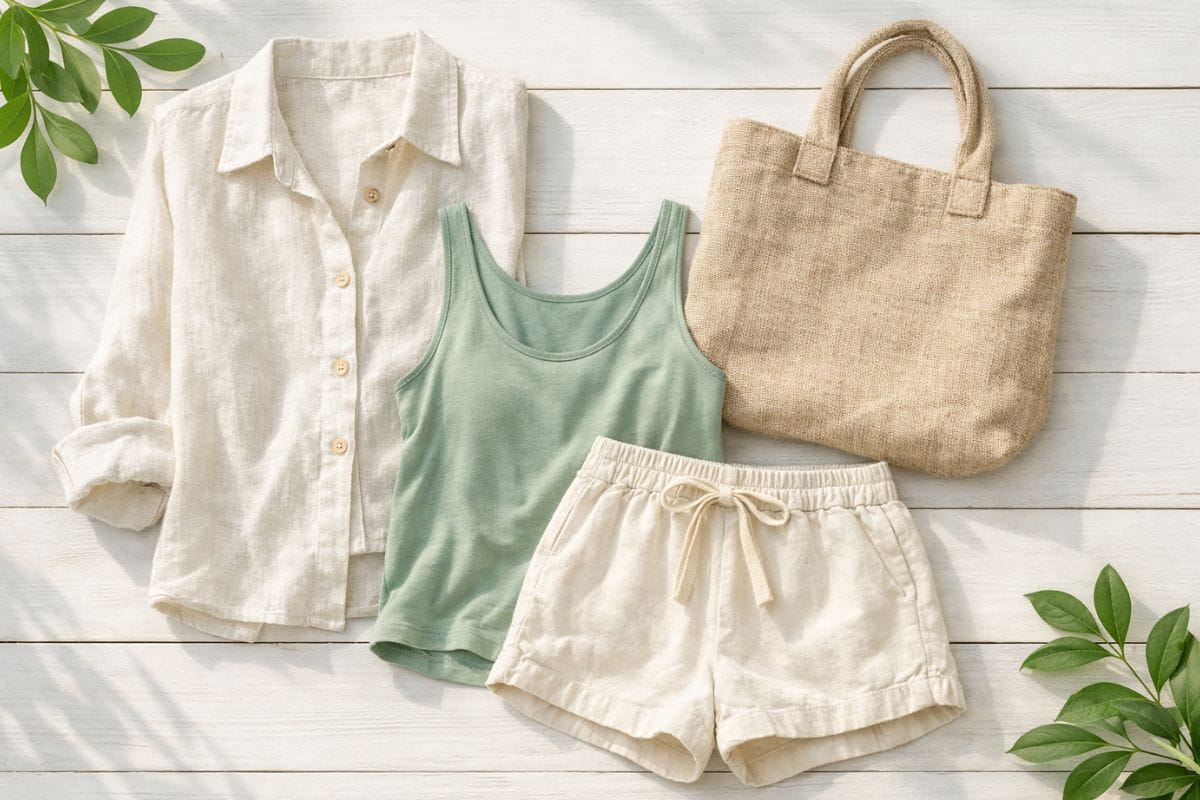
Summer heat and sweat? They do not pair well with uncomfortable, wasteful clothing. Most of us have experienced stepping outside in a cheap polyester top only to feel overheated and sticky within minutes.
The good news is that staying cool does not have to come at the planet’s expense. After years of testing fabrics through humid afternoons and scorching summer days, I have found materials that actually feel breathable, comfortable, and worth wearing. In this guide, we will explore the best eco-friendly fabrics for summer clothes that help you stay cool, dry, and comfortable—without the environmental guilt.
Choosing the right fabric can completely change how you feel in hot weather. The best eco-friendly fabrics for summer clothes are not only breathable but also longer-lasting and kinder to the environment, helping you build a wardrobe that feels better in every sense.
Let’s find the fabric that deserves a permanent place in your summer closet.
Best Eco-Friendly Fabrics for Summer Clothes: Linen
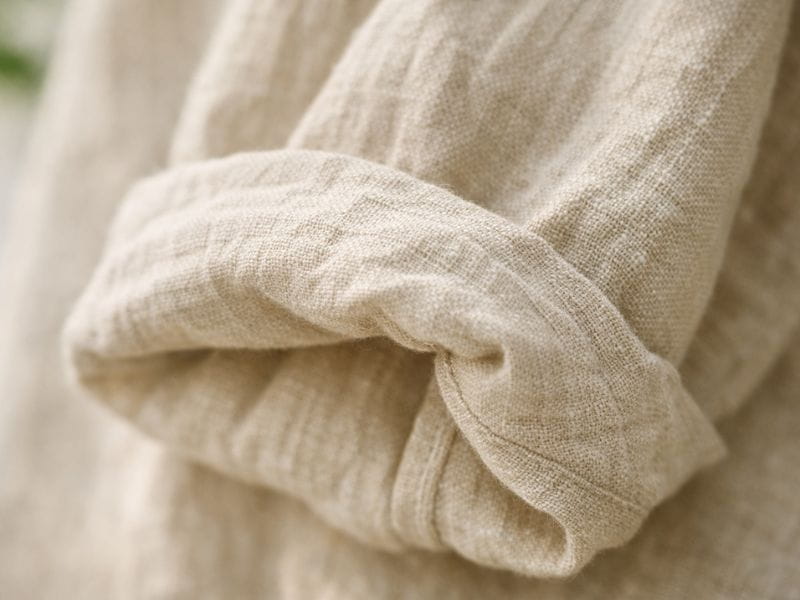
Linen is the classic choice for hot weather, and for good reason. Derived from the resilient flax plant, it’s one of the best eco‑friendly fabrics for summer clothes on the market. Science actually supports its cooling power: Linen has been proven to be cooler than both cotton and silk due to its breathable weave and moisture‑wicking abilities. It naturally pulls sweat away from the body, helping it evaporate quickly, so you stay dry and refreshed even on the most humid days.
Another major advantage is that linen softens beautifully with every wash without losing its structural integrity. It can literally last for decades, making it a true investment piece. And unlike many other natural fibers, the flax plant can grow in poor soil with minimal water and almost no pesticides, reducing its agricultural footprint even further.
But what about the wrinkles? Yes, linen is famously prone to wrinkling. But in my experience, accepting those wrinkles is part of its casual, timeless charm. It adds character to the garment and signals that you’re wearing a natural, breathable fabric, not a plastic‑based one.
How to apply best eco-friendly fabrics for summer clothes – Linen care tips
To keep your linen pieces looking their best, follow these simple steps:
- Wash in cold water on a gentle cycle using mild detergent. Hot water can weaken the fibers over time.
- Skip the dryer. Air dry your linen to prevent shrinkage and maintain its shape. The fabric dries fairly quickly, so this is an easy habit to adopt.
- Iron while slightly damp if you want a crisp look, or simply embrace the relaxed, wrinkled finish for a laid‑back summer vibe.
- Store in a cool, dry place. Avoid overcrowding in your closet, as this can create deep creases that are harder to remove.
For more on building a low‑waste closet, check out our guide on How to Start a Sustainable Wardrobe on a Budget for practical tips.
Best Eco-Friendly Fabrics for Summer Clothes: Hemp
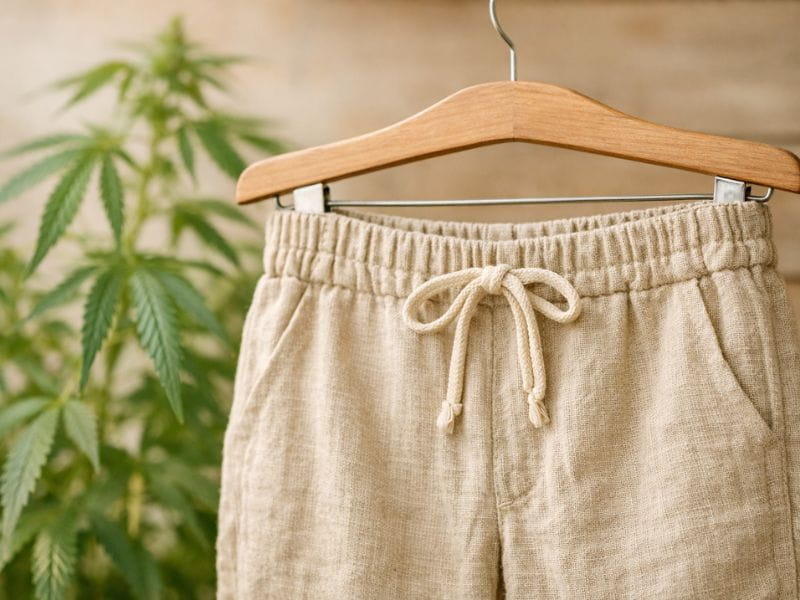
If you are looking for a cooling fabric that offers unbeatable durability, hemp is an absolute game‑changer. This plant requires far less water to grow than cotton and naturally enriches the soil it’s planted in, meaning it can be grown on the same land year after year without depleting nutrients. In fact, because hemp breathes so well, it’s consistently rated as one of the best eco‑friendly fabrics for summer clothes.
Hemp is three times stronger than cotton, yet it remains lightweight and breathable. This strength translates directly into a longer garment life, so you will not need to replace your favorite summer top anytime soon. Additionally, hemp is naturally antimicrobial and offers UV resistance, protecting your skin while keeping you cool and fresh. It also softens with every wash, wearing in perfectly, not out.
Hemp How to Apply Best Eco‑Friendly Fabrics for Summer Clothes – Hemp Care Tips
Here is a quick checklist to make your hemp pieces last for years:
- Machine wash cold using a natural, plant‑based detergent to keep the pH balance of the fibers intact.
- Air dry flat. Hemp holds its shape well, but high heat in a dryer can eventually compromise its strength.
- Avoid bleach. Always read the care label, as hemp tends to respond best to gentle, chemical‑free cleaning.
- Embrace the texture. Hemp has a slightly stiffer feel at first, but it becomes luxuriously soft after a few wears and washes.
Pro Tip: Hemp is naturally resistant to mold and mildew, making it a fantastic travel companion for sweaty climates or unexpected rain showers.
Best Eco-Friendly Fabrics for Summer Clothes: TENCEL™ Lyocell
When I first discovered TENCEL™ Lyocell, I was shocked by how soft and smooth it felt against my skin. Unlike other semi‑synthetics that can feel clammy, this wood‑based fiber feels cool to the touch, dries faster than cotton, and resists wrinkles beautifully. It’s a compelling reason why Lyocell is widely considered one of the best eco‑friendly fabrics for summer clothes.
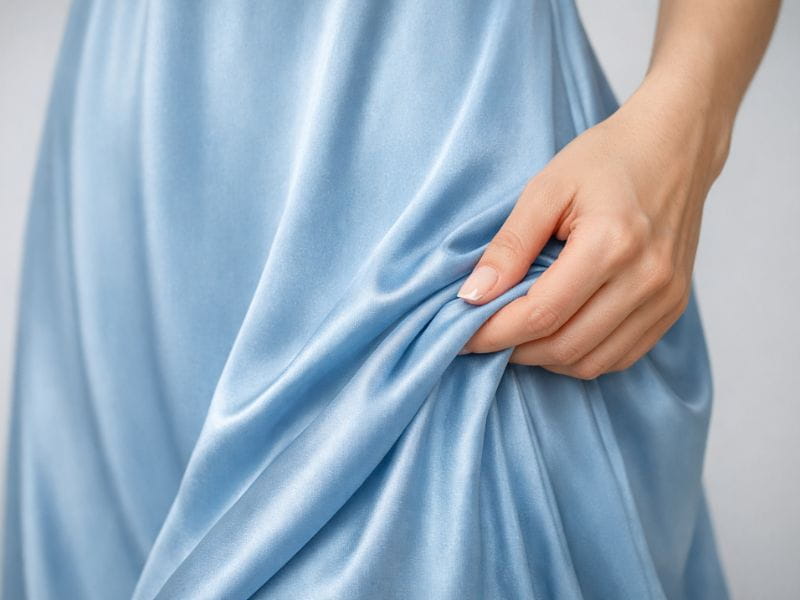
TENCEL™ Lyocell is produced in a closed‑loop system, which recycles more than 99% of the water and solvents used, making the manufacturing process remarkably clean. The wood pulp used is sourced from sustainably managed forests, certified by FSC or PEFC, and the finished fabric is fully biodegradable. This closed‑loop process uses up to 20 times less water than conventional cotton production, dramatically reducing the strain on global water resources.
For summer days, its moisture management is a lifesaver. It wicks sweat, dries quickly, and the smooth surface keeps your skin from feeling sticky or overheated. Whether you wear it as a dress, a blouse, or cozy loungewear, you will appreciate how effortlessly it moves with your body.
TENCEL™ How to Apply Best Eco‑Friendly Fabrics for Summer Clothes – TENCEL™ Care
Make the most out of your TENCEL™ pieces with this simple care routine:
- Machine wash cold on a delicate cycle with similar light colors.
- Use a mild liquid detergent. Powder detergents may not dissolve completely and can leave residue on the smooth fibers.
- Air dry. TENCEL™ dries very quickly, so line drying or laying it flat is both energy‑efficient and protective.
- Iron on low if needed, though the fabric’s natural wrinkle resistance means you rarely have to.
For more information on the environmental benefits of TENCEL™, visit the official Lenzing Group’s sustainable fiber guide. They provide detailed insights into their closed‑loop production and supply chain transparency.
Best Eco-Friendly Fabrics for Summer Clothes: Organic Cotton
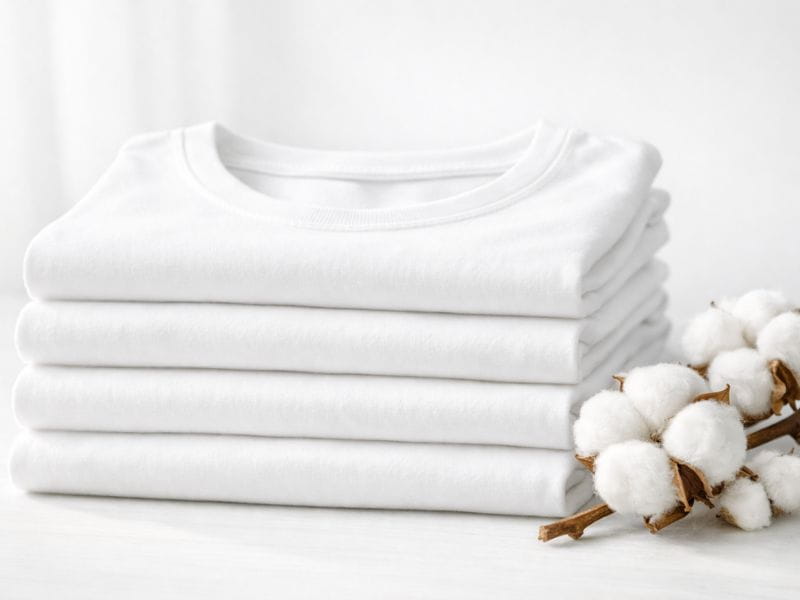
Conventional cotton is one of the thirstiest and most pesticide‑intensive crops on the planet. Organic cotton, however, is a beautiful alternative that eliminates synthetic pesticides and fertilizers. It is grown using methods that have a lower impact on the environment, replenish soil fertility, and use far less water, particularly when rainfed. As a result, the final fabric feels softer, safer against sensitive skin, and much more breathable than its conventional counterpart.
Choosing organic cotton is not just about what is left out; it’s also about what is preserved. By avoiding toxic chemicals, organic farming protects farmworkers, local wildlife, and nearby water sources from dangerous runoff. The fabric retains all the classic benefits we love about cotton—softness, breathability, and versatility—without the heavy environmental price tag.
For summer, look for slub cotton varieties with a slightly textured weave. The textured surface increases airflow, providing extra cooling power on scorching days.
Organic Cotton How to Apply Best Eco‑Friendly Fabrics for Summer Clothes – Organic Cotton Care
Follow these steps to preserve the integrity of your organic cotton garments:
- Machine wash cold with like colors to prevent fading.
- Use an eco‑friendly, plant‑based laundry detergent to avoid harsh chemicals that can degrade natural fibers.
- Tumble dry low or air dry to reduce energy use and prevent shrinkage.
- Iron while damp if necessary, but many organic cotton pieces look great with a naturally soft, lived‑in appearance.
For a deeper dive into low‑impact clothing care, read our article on How to Care for Wool Sweaters Without Dry Cleaning for techniques you can apply to many natural fibers.
Best Eco-Friendly Fabrics for Summer Clothes: Recycled Polyester (rPET)
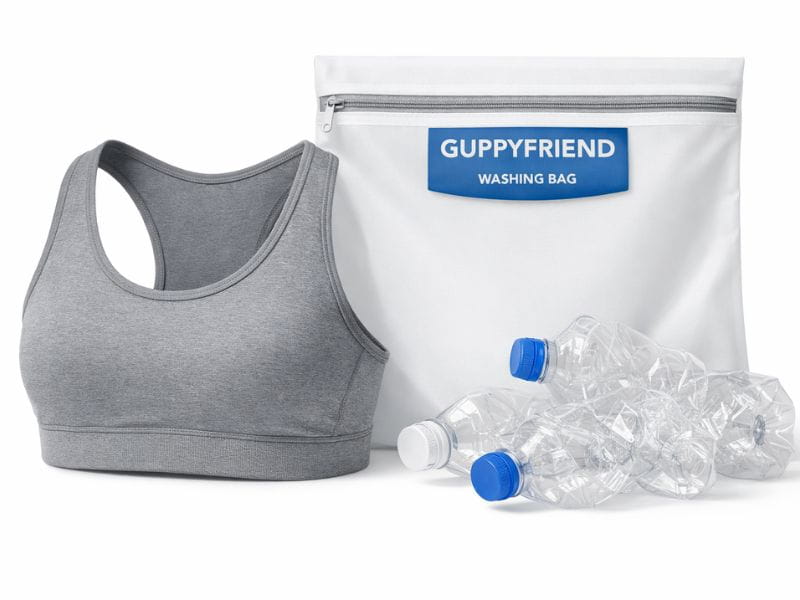
You might be surprised to see a synthetic fiber on a list of the best eco‑friendly fabrics for summer clothes. The truth is, not all synthetics are created equal. Recycled polyester, also known as rPET, is produced from post‑consumer plastic bottles and industrial waste. This process drastically reduces the need for virgin petroleum and keeps plastic out of landfills and oceans.
When you choose rPET, you are participating in a circular economy model that supports material reuse. However, it is worth noting that rPET still sheds microplastics during washing. On the positive side, the carbon footprint of rPET is significantly lower than that of virgin polyester, making it a “better” choice if you need durable, stretchy, and moisture‑wicking activewear for those sweaty summer workouts.
How to Apply Best Eco‑Friendly Fabrics for Summer Clothes – rPET Care
To reduce the potential downsides and extend the life of your rPET clothing:
- Wash in cold water on a gentle cycle.
- Use a Guppyfriend washing bag. This innovative bag captures microplastic fibers before they enter our waterways—a must‑have for any synthetic garment.
- Air dry all rPET pieces, as high heat can damage the elastic fibers and release more microplastics.
- Avoid fabric softeners, which can coat the synthetic fibers and reduce moisture‑wicking performance over time.
- Commit to wearing it for years. The most sustainable garment is the one you already own, so make it last.
Best Eco-Friendly Fabrics for Summer Clothes: Hemp-Cotton Blends
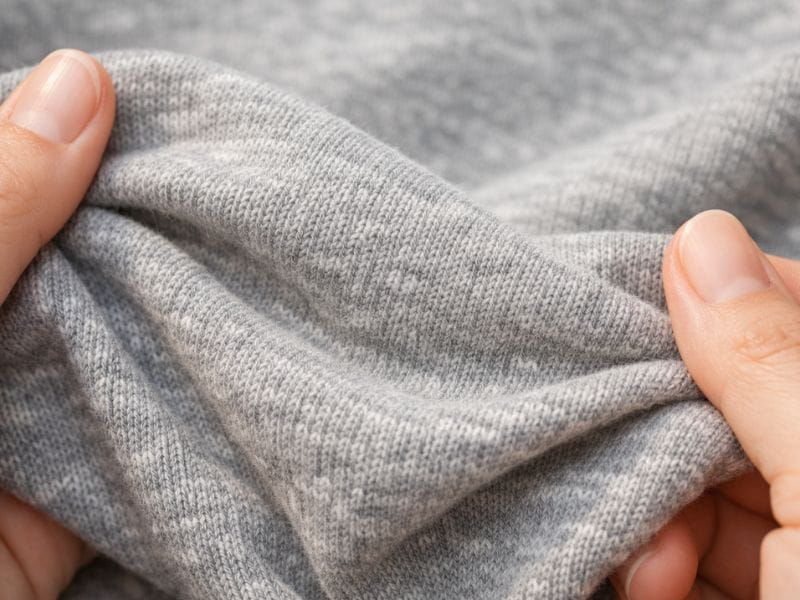
If you love the strength of hemp but crave the familiar softness of cotton, a hemp‑cotton blend might be your dream summer fabric. Combining these two fibers creates a textile that is lightweight, breathable, and exceptionally durable. This blend offers a more cost‑effective alternative to 100% hemp while still providing excellent cooling properties. It also retains the UV‑resistance and antimicrobial qualities of hemp, making it ideal for long days in the sun.
The fabric has a smooth, soft hand feel, is moisture‑wicking, and resists pilling more effectively than pure cotton. And because the cotton component is often organic, the overall agricultural impact is reduced, and no harmful chemicals are used in the growing process. Hemp‑cotton is an excellent eco‑friendly summer fabric that balances sustainability, comfort, and budget.
How to Apply Best Eco‑Friendly Fabrics for Summer Clothes – Blend Care
Use these quick guidelines to maintain hemp‑cotton blends:
- Machine wash cold with mild, plant‑based detergent.
- Tumble dry on low or line dry. The cotton component may shrink slightly at high temperatures.
- Iron on medium if needed, but the hemp content gives the fabric a naturally relaxed look that many people prefer.
- Wash only when necessary. Hemp’s antimicrobial properties keep odors at bay, so you can often air out your garment between wears.
Best Eco-Friendly Fabrics for Summer Clothes: Innovative Fabrics
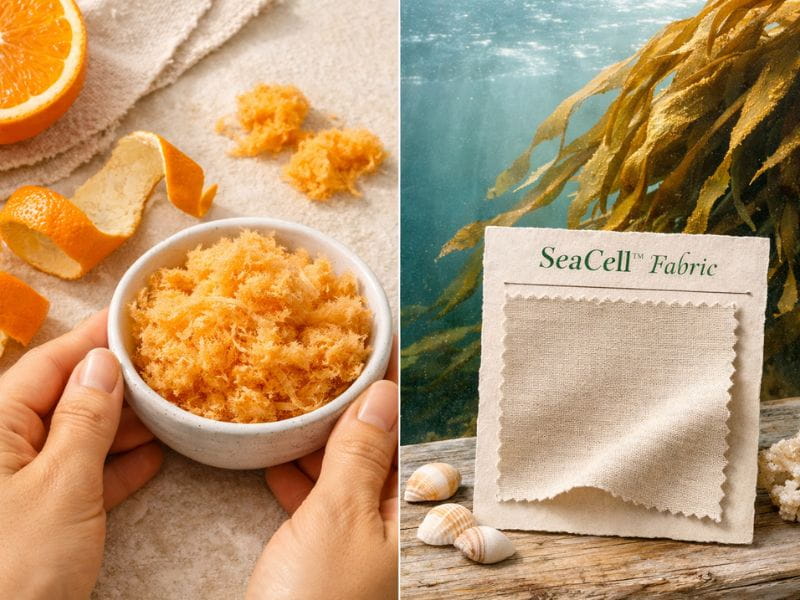
Summer fashion is getting a futuristic upgrade, and these two innovative materials are redefining what it means to be both cool and sustainable.
Orange Fiber is made from citrus juice by‑products—specifically, leftover peels from the Italian juice industry. This closed‑loop process transforms what would otherwise become food waste into a silky, lightweight fabric that rivals traditional silk in drape and feel. It’s breathable, uses no additional land or water for raw material production, and feels luxurious against the skin. For an eco‑luxury summer dress or blouse, this is an incredibly exciting option.
SeaCell blends sustainably sourced wood pulp with actual seaweed. The result is a fabric that is incredibly soft, lightweight, and rich in minerals and antioxidants that are gentle on sensitive skin. This seaweed infusion also helps the fabric maintain a cooler temperature, making it an incredibly promising eco‑friendly fabric for summer clothes.
Both of these materials are still emerging, so you may need to hunt for smaller or made‑to‑order brands that use them. But if you find a piece made from Orange Fiber or SeaCell, it will be a true conversation starter—and a very cool addition to your summer rotation.
How to Apply Best Eco‑Friendly Fabrics for Summer Clothes – Innovation Care
Because these are newer, specialty materials, always check the manufacturer’s care label first. In general:
- Hand wash or use a delicate machine cycle in cold water.
- Use a gentle, plant‑based detergent.
- Air dry flat, away from direct sunlight.
- Do not wring or twist the fabric to remove water, as this can damage the innovative fibers.
- Store folded rather than hanging to maintain the garment’s shape.
For the latest updates and ethical brand reviews, explore Good On You’s sustainable fashion guide. It is a trusted resource I use to vet brands and materials.
These best eco-friendly fabrics for summer clothes offer a balance of comfort, breathability, and sustainability.
FAQs: Which Eco‑Friendly Summer Fabric is Best for You?
Many people searching for the best eco-friendly fabrics for summer clothes want options that are breathable, durable, and gentle on sensitive skin.
Q: What is the overall most sustainable and cooling summer fabric?
Hemp and TENCEL™ Lyocell take the top spots. Hemp has an extremely low agricultural footprint, requires no pesticides, and enriches the soil, while TENCEL’s closed‑loop production recycles nearly all water and solvents. For raw cooling power, both are exceptional.
Q: Can natural and innovative fabrics really keep up with extreme athletic wear?
For high‑intensity, sweat‑heavy workouts, recycled polyester (rPET) is often the most practical choice due to its durability and moisture‑wicking structure. However, for moderate activity like yoga, hiking, or everyday wear, hemp, TENCEL, and organic cotton blends perform beautifully and keep you far cooler than virgin synthetics.
Q: Why is conventional cotton not on this list?
Traditional cotton is resource‑intensive (it uses an immense amount of water) and relies heavily on synthetic pesticides and fertilizers. Organic cotton is a significantly better option for both the planet and your skin. If you choose cotton for summer, always opt for organic or recycled versions.
Q: How do these best eco‑friendly fabrics for summer clothes compare in price?
In general, organic cotton is the most budget‑friendly of the bunch, followed by hemp‑cotton blends. TENCEL™ Lyocell and innovative fibers like Orange Fiber are mid‑to‑high range, reflecting their advanced processing. However, investing in these durable fabrics often saves you money in the long run, as you will not be replacing them every season.
Q: Which fabric is best for people with sensitive skin?
TENCEL™ Lyocell is extremely gentle and hypoallergenic, thanks to its smooth surface and lack of chemical residues. Organic cotton is also a safe bet, as it is grown without the harsh chemicals that can cause skin irritation.
Q: Are there any ethical certifications I should look out for?
Yes! For complete supply chain transparency, watch for GOTS (Global Organic Textile Standard) for organic fibers. For product safety and chemical testing, look for OEKO‑TEX® Standard 100, which verifies that the textile is free from harmful substances.
A Quick‑Scan Comparison
To make things easier, here is a quick comparison of the best eco-friendly fabrics for summer clothes based on breathability, sustainability, and comfort.
| Fabric | Cooling Ability | Sustainability Score | Best For… |
| Hemp | ★★★★★ | ★★★★★ | Everyday wear, outdoor adventures, sensitive skin |
| TENCEL™ Lyocell | ★★★★★ | ★★★★☆ | Dresses, blouses, loungewear, humid climates |
| Linen | ★★★★☆ | ★★★★☆ | Breezy shirts, pants, classic resort wear |
| Organic Cotton | ★★★☆☆ | ★★★☆☆ | Basics, t‑shirts, underwear, sensitive skin |
| Hemp-Cotton Blend | ★★★★☆ | ★★★★☆ | Affordable, durable everyday summer staples |
| Recycled Polyester | ★★★☆☆ | ★★★☆☆ | Activewear, swimwear, performance gear |
| Orange Fiber / SeaCell | ★★★★☆ | ★★★★☆ | Luxe silhouettes, specialty garments, eco‑innovators |
Final thought before you shop: The next time you check a clothing tag, think about where the fabric came from and how long it will truly last in your wardrobe. Choosing the best eco-friendly fabrics for summer clothes helps you stay cool, comfortable, and stylish while making a more sustainable choice for the planet. By investing in breathable, long-lasting materials, you can build a wardrobe that feels better and wastes less.
Which summer fabric has become a must-have in your closet? Share your thoughts in the comments below, and explore our brand directory for more ethical fashion inspiration!