
Sustainable fashion refers to clothing and accessories that are produced, distributed, and used in ways that are environmentally friendly, socially responsible, and economically viable—not just now, but for future generations too. When you hear about sustainable fashion, think about a holistic approach that considers the entire lifecycle of a garment—from the field where cotton is grown to the factory where it’s sewn, all the way to your closet, and eventually to its next life through recycling or repurposing. This comprehensive system aims to reduce fashion’s negative environmental impacts while ensuring fair treatment and safe working conditions for the people involved in creating our clothes.
Introduction to Sustainable Fashion
When we talk about sustainable fashion, we’re discussing much more than just clothing made from organic cotton or recycled materials. We’re referring to a fundamental shift in how we produce, consume, and think about fashion. The United Nations defines sustainability as “meeting the needs of the present without compromising the ability of future generations to meet their own needs,” and this principle lies at the heart of true sustainable fashion.
The fashion industry is currently the second-largest industrial polluter after the oil industry, responsible for about 10% of global carbon emissions—more than all international flights and maritime shipping combined. The industry consumes trillions of liters of water annually and generates massive waste, with only about 20% of clothing being recycled or reused. These staggering statistics highlight why the transition to sustainable fashion isn’t just a trend but an urgent necessity.
But sustainable fashion isn’t only about environmental protection. It’s also about people. The clothing industry employs approximately one in six people worldwide, making it the most labor-dependent industry. Many of these workers, particularly women in developing countries, face dangerous working conditions and earn insufficient wages. True sustainable fashion addresses these social issues alongside environmental concerns, advocating for living wages, safe working conditions, and respect for all workers throughout the supply chain.
The Historical Context of Sustainable Fashion
While sustainable fashion might seem like a recent movement, its roots trace back several decades. The concept began gaining traction in the early 1990s, roughly coinciding with the 1992 United Nations Conference on Environment and Development, known as the Rio Earth Summit. During this period, ‘green issues’ started appearing in fashion and textile publications, with forward-thinking companies like Patagonia and ESPRIT leading the way.
In 1992, ESPRIT launched its groundbreaking e-collection, developed by head designer Lynda Grose. This collection represented one of the first comprehensive efforts to address environmental concerns in clothing production. Around the same time, Patagonia’s founder, Yvon Chouinard, was noting that exponential growth and consumption are not sustainable, commissioning research into the impact of fibers used in his company. These early pioneers recognized what many are now understanding: the traditional take-make-dispose model of fashion was incompatible with environmental limits.
The movement gained significant momentum in 2012 when Copenhagen hosted the world’s largest summit on fashion sustainability, gathering more than 1,000 key industry stakeholders. That same year, the Sustainable Apparel Coalition launched the Higg Index, a standardized tool that allows apparel and footwear companies to measure their environmental and social impacts. This development marked an important step toward accountability and transparency in an industry often characterized by opaque supply chains.
In recent years, government bodies have begun addressing fashion sustainability. In 2019, the UK Parliament’s Environment Audit Committee published a report with recommendations on the future of fashion sustainability, suggesting systemic changes like lowered value-added tax for repair services. Meanwhile, the European Union has been working on legislation to combat greenwashing and regulate how brands can use sustainability terms in their marketing.
The Three Pillars of Sustainable Fashion
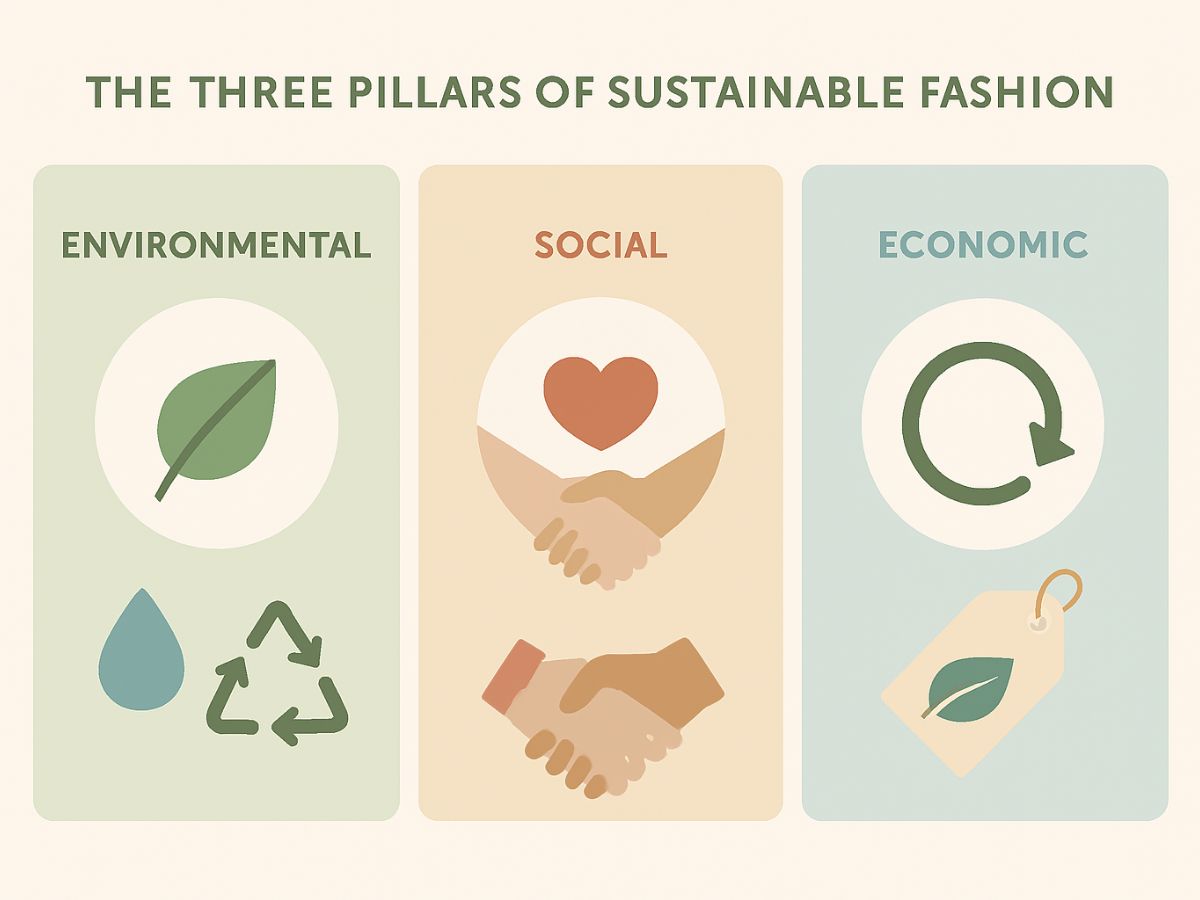
Understanding sustainable fashion requires examining its three foundational pillars: environmental protection, social equity, and economic viability. These interconnected principles form the framework for a truly sustainable fashion industry.
Environmental Pillar
The environmental aspect of sustainable fashion focuses on reducing the industry’s ecological footprint throughout a product’s entire lifecycle. Key considerations include:
Sustainable Materials: Using natural and organic materials like organic cotton, linen, and hemp, grown without harmful pesticides and chemicals. These materials are biodegradable and don’t contribute to the buildup of waste in landfills. Sustainable fashion also embraces recycled materials made from waste products that would otherwise end up in landfills, such as recycled plastic and recycled wool.
Water Conservation: The fashion industry is the second-biggest consumer of water, requiring about 700 gallons to produce one cotton shirt and 2,000 gallons for a pair of jeans. Sustainable fashion addresses this through water-efficient processes, including using natural dyes that don’t pollute waterways.
Energy Emissions: Reducing energy consumption and transitioning to renewable energy sources in production processes is crucial. The production of synthetic fabrics is particularly energy-intensive, contributing significantly to greenhouse gas emissions.
Chemical Usage: Conventional cotton cultivation uses approximately 25% of the world’s insecticides and 10% of pesticides, which presents health risks to farmers and ecosystems. Sustainable fashion promotes organic farming methods and non-toxic dyes.
Waste Creation: The linear model of ‘take, make, dispose’ results in enormous textile waste, with 85% of all textiles going to dumps each year—sustainable fashion advocates for circular systems where garments are designed to be fully recyclable after use.
Environmental Impact Comparison – Conventional vs. Sustainable Fashion Practices
| Aspect | Conventional Fashion | Sustainable Fashion |
| Materials | Synthetic fibers, conventional cotton | Organic, recycled, natural biodegradable materials |
| Water Usage | High water consumption; 2000 gallons for one pair of jeans | Water-efficient processes, water recycling |
| Chemical Usage | Toxic dyes, pesticide-intensive farming | Natural dyes, organic farming methods |
| Waste Production | Linear model leading to landfill waste | Circular systems, recycling, upcycling |
| Carbon Footprint | High emissions from production and transport | Renewable energy, local production when possible |
Social Pillar
The social dimension of sustainable fashion ensures fair treatment, safe working conditions, and respect for all people involved in the supply chain. Key elements include:
Fair Labor Practices: Ensuring workers receive living wages—not just minimum wages—and work in safe, healthy environments. The sustainable fashion movement highlights that approximately 80% of apparel is made by young women between 18 and 24, many in developing countries where labor protections may be inadequate.
Supply Chain Transparency: Brands committed to sustainable fashion are open about where and how their products are made, often introducing consumers to the people behind their clothes. This transparency enables accountability and helps consumers make informed choices.
Cultural Preservation: Some sustainable fashion brands work to preserve cultural heritage through craft traditions, supporting artisan communities and traditional techniques that might otherwise disappear.
Animal Welfare: Ethical, sustainable fashion considers the treatment of animals, with many brands opting for vegan materials or ensuring that any animal-derived materials are sourced humanely. This includes avoiding fur, angora, and leather produced through cruel practices.
The 2013 Rana Plaza factory collapse in Bangladesh, which killed 1,134 garment workers, tragically illustrated the human cost of fast fashion and galvanized the sustainable fashion movement to prioritize worker safety.
Economic Pillar
The economic pillar of sustainable fashion focuses on creating business models that are viable long term while respecting environmental and social boundaries. This includes:
Fair Wages Throughout Supply Chains: Ensuring that cost efficiencies don’t come at the expense of worker compensation.
Quality Over Quantity: Producing durable, long-lasting clothing rather than cheap, disposable items. While sustainable garments may have higher upfront costs, their longevity often makes them more economical over time.
New Business Models: Supporting innovative approaches like clothing rental, repair services, and resale platforms that create economic value while reducing resource consumption.
True Cost Accounting: Reflecting the environmental and social costs of production in pricing, rather than externalizing these costs to communities and ecosystems.
Sustainable Fashion vs. Fast Fashion
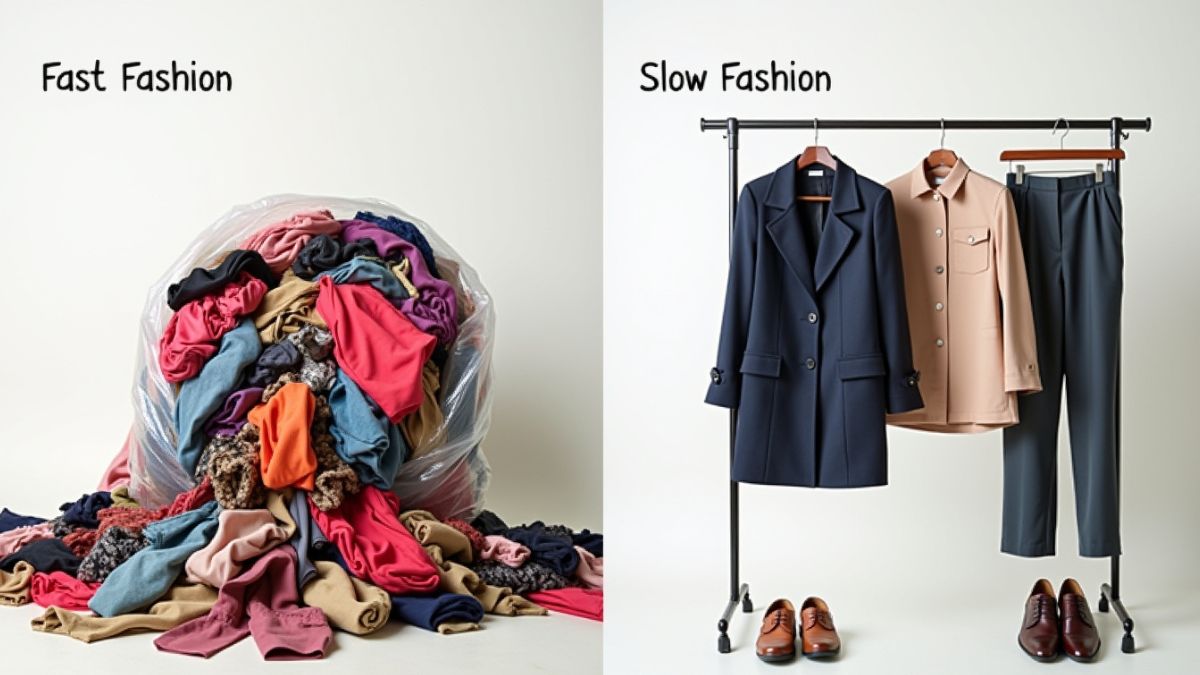
To fully understand sustainable fashion, we must contrast it with its opposite: fast fashion. These two approaches represent fundamentally different philosophies about clothing production, consumption, and disposal.
What is Fast Fashion?
Fast fashion refers to “cheaply produced and priced garments that copy the latest catwalk styles and get pumped quickly through stores in order to maximise on current trends”. The term was first used in the early 1990s when Zara landed in New York, with the New York Times coining “fast fashion” to describe Zara’s mission to take garments from design to stores in just 15 days.
The fast fashion model has accelerated dramatically in recent years. While Zara could design, produce, and deliver a new garment in two weeks in 2012, the Chinese company Shein has reduced this timeline to just 10 days. This relentless acceleration has devastating environmental and social consequences:
Environmental Impacts: The fashion industry produces 10% of global carbon emissions—more than the European Union. It consumes 79 billion cubic meters of water annually and is responsible for 20% of global industrial water pollution. Washing synthetic clothes releases 500,000 tons of microfibers into the ocean yearly—equivalent to 50 billion plastic bottles.
Social Impacts: Fast fashion relies on cheap labor, often in developing countries, where workers face dangerous conditions. A 2018 US Department of Labor report found evidence of forced and child labor in the fashion industry across multiple countries, including Bangladesh, China, India, and Vietnam. Garment workers often earn mere cents per piece, with Shein workers reportedly making only 4 cents per garment.
Waste Crisis: The continuous churn of new styles encourages disposable attitudes toward clothing. Consumption has risen to 62 million tonnes annually and is projected to reach 102 million tonnes by 2030. The average American now throws away approximately 82 pounds of textile waste each year.
Slow Fashion as the Sustainable Alternative
In response to fast fashion, the sustainable fashion movement has embraced “slow fashion”—a concept inspired by the slow food movement. Coined by Kate Fletcher of the Centre for Sustainable Fashion, slow fashion emphasizes quality over quantity, ethical production, and timeless designs.
Fast Fashion vs. Slow Fashion Characteristics
| Aspect | Fast Fashion | Slow Fashion |
|---|---|---|
| Production Pace | Rapid (as little as 10 days design to store) | Considered, intentional |
| Business Model | High volume, low price | Lower volume, fair pricing |
| Quality | Often poor, disposable | High quality, durable |
| Design Approach | Trend-focused, microtrends | Timeless, versatile |
| Transparency | Typically low | High priority |
| Environmental Impact | High pollution and waste | Minimized through conscious practices |
| Labor Conditions | Often exploitative | Fair wages, safe conditions |
Slow fashion garments typically feature durable materials, traditional production techniques, or seasonless designs that last beyond a single trend cycle. From an environmental perspective, this approach generates less industrial waste than models dependent on transient trends.
However, slow fashion has faced criticism for being potentially exclusionary due to higher price points. Advocates counter that by emphasizing cost-per-wear rather than initial price, and by supporting diverse approaches like clothing swaps and secondhand markets that make sustainable fashion accessible at various price points.
Different Forms of Sustainable Fashion in Practice
Sustainable fashion manifests in various forms, each offering unique approaches to reducing the industry’s environmental and social impacts. Understanding these different models can help you find the approaches that best align with your values and lifestyle.
1. Eco-Friendly Fashion
Eco-friendly fashion focuses primarily on reducing environmental harm through:
Organic and Natural Materials: Using fibers grown without synthetic pesticides, fertilizers, or GMOs. Organic cotton, for example, uses 91% less water than conventional cotton and is much safer for farmers and ecosystems.
Natural Dyes: Utilizing colorants derived from plants, minerals, and other natural sources instead of the toxic chemicals used in conventional dyeing, which is the world’s second-largest polluter of water.
Low-Impact Manufacturing: Implementing processes that reduce water and energy consumption while minimizing waste. Some innovative companies are even using CO2 as a dyeing medium instead of water, where heat and pressure turn liquid CO2 into a sustainable solvent for dye.
2. Circular Fashion
Circular fashion represents a fundamental shift from the linear ‘take-make-dispose’ model to a closed-loop system where materials are continually repurposed. Key elements include:
Designing for Longevity: Creating durable, repairable, and upgradable products.
Recycling and Upcycling: Transforming waste materials into new products of equal or higher value. For example, companies like Patagonia have developed sophisticated take-back programs where customers can return worn garments for recycling into new products.
End-of-Life Planning: Designing products with their eventual disposal in mind, using biodegradable materials or ensuring easy disassembly for recycling.
3. Ethical and Fair Trade Fashion
Ethical fashion emphasizes social responsibility throughout the supply chain. This includes:
Fair Labor Practices: Ensuring safe working conditions and living wages for all workers. The fair trade movement has been instrumental in certifying brands that meet rigorous social standards.
Supply Chain Transparency: Providing visibility into production processes and facilities. Brands like People Tree, which became the first fashion company to receive the World Fair Trade Organization product label in 2013, exemplify this approach.
Community Benefits: Supporting local economies and preserving traditional crafts.
4. Slow Fashion
As discussed earlier, slow fashion directly counters fast fashion’s rapid production cycles by emphasizing :
Timeless Design: Creating versatile, seasonless pieces that remain stylish for years.
Quality Craftsmanship: Prioritizing durable construction that extends garment lifespan.
Conscious Production: Manufacturing in smaller quantities to avoid overproduction.
5. Secondhand, Vintage, and Thrifting
Buying pre-owned clothing is perhaps one of the most accessible forms of sustainable fashion because it requires no new resources. The rise of platforms like ThredUp, Poshmark, Depop, and The RealReal has made secondhand shopping more convenient than ever. This approach:
Extends Clothing Lifespans: Keeping garments in use and out of landfills.
Reduces Resource Consumption: No new materials, water, or energy needed for production.
Offers Unique Style: Vintage pieces often have character and history missing from mass-produced items.
6. Rented, Loaned, or Swapped Clothing
Clothing rental and swap models allow people to refresh their wardrobes without purchasing new items. Services like Rent the Runway, Gwynnie Bee, and Girl Meets Dress have popularized this approach, which:
Maximizes Garment Utilization: Each item gets worn by multiple people.
Saves Money: Access to designer pieces at a fraction of retail cost.
Reduces Closet Clutter: Temporary use means no long-term storage.
7. Repair, Redesign, and Upcycling
Repairing and transforming existing garments extends their useful life and reduces waste. This can range from simple mending to creative upcycling, where old clothes become entirely new items. Communities worldwide are experiencing a revival of repair skills through:
Repair Cafés: Volunteer-run events where people help each other fix clothing.
Brand-Led Repair Services: Companies like Nudie Jeans offer free repairs for their denim.
Upcycling Workshops: Learning to transform unwanted garments into new favorites.

Transitioning to a sustainable fashion approach doesn’t require throwing out your entire wardrobe and starting over. In fact, that would contradict the very principle of sustainability. Instead, consider these practical steps to gradually build a more conscious wardrobe.
1. Adopt a Mindful Approach to Shopping
Before making any new purchase, ask yourself these questions:
“Do I really need this?”: We often buy impulsively rather than out of genuine need. Implementing a 24-hour waiting period before purchases can reduce impulse buying.
“How often will I wear this?”: Aim for items you’ll wear at least 30 times—the “30 wears” test popularized by sustainable fashion activist Livia Firth.
“What is this made of?”: Prioritize natural, organic, or recycled materials that have lower environmental impacts.
“Who made this?”: Support brands that are transparent about their manufacturing conditions and treat workers fairly.
2. Prioritize Quality Over Quantity
Investing in fewer, higher-quality pieces that last longer is fundamental to sustainable fashion. While the upfront cost may be higher, the cost-per-wear often makes these items more economical over time. Look for:
Durable Construction: Well-finished seams, sturdy zippers, and reinforced stress points.
Timeless Design: Versatile pieces that won’t appear dated after one season.
Quality Materials: Natural fibers like linen, wool, and organic cotton that wear well over time.
3. Master the Art of Garment Care
How we launder and store our clothes significantly impacts their lifespan and environmental footprint. The cleaning process accounts for about 80% of the total energy consumption for underwear and nearly two-thirds for a pair of jeans. Extend your clothing’s life through:
Washing Less Frequently: Many items don’t need washing after each wear.
Using Cold Water: This reduces energy consumption and helps clothes retain their color and shape.
Air-Drying: Skip the dryer to save energy and prevent fabric deterioration.
Proper Storage: Protect clothes from moths, sunlight, and moisture.
4. Learn Basic Repair Skills
Fixing minor damages like loose buttons, fallen hems, or small holes can significantly extend a garment’s life. You don’t need advanced skills—basic sewing knowledge goes a long way. Many communities offer repair workshops, or you can find countless tutorials online.
5. Explore Secondhand Options First
Before buying new, check secondhand sources. Thrifting has evolved far beyond dusty charity shops to include:
Online Resale Platforms: ThredUp, Poshmark, Depop, and The RealReal offer vast selections of pre-owned clothing.
Consignment Stores: Curated secondhand clothing often in excellent condition.
Clothing Swaps: Organize with friends or find local swap events.
Vintage Stores: Unique pieces with history and character.
6. Support Sustainable Brands
When buying new, choose companies committed to sustainable fashion practices. Look for:
Transparency: Brands that openly share information about their factories and production methods.
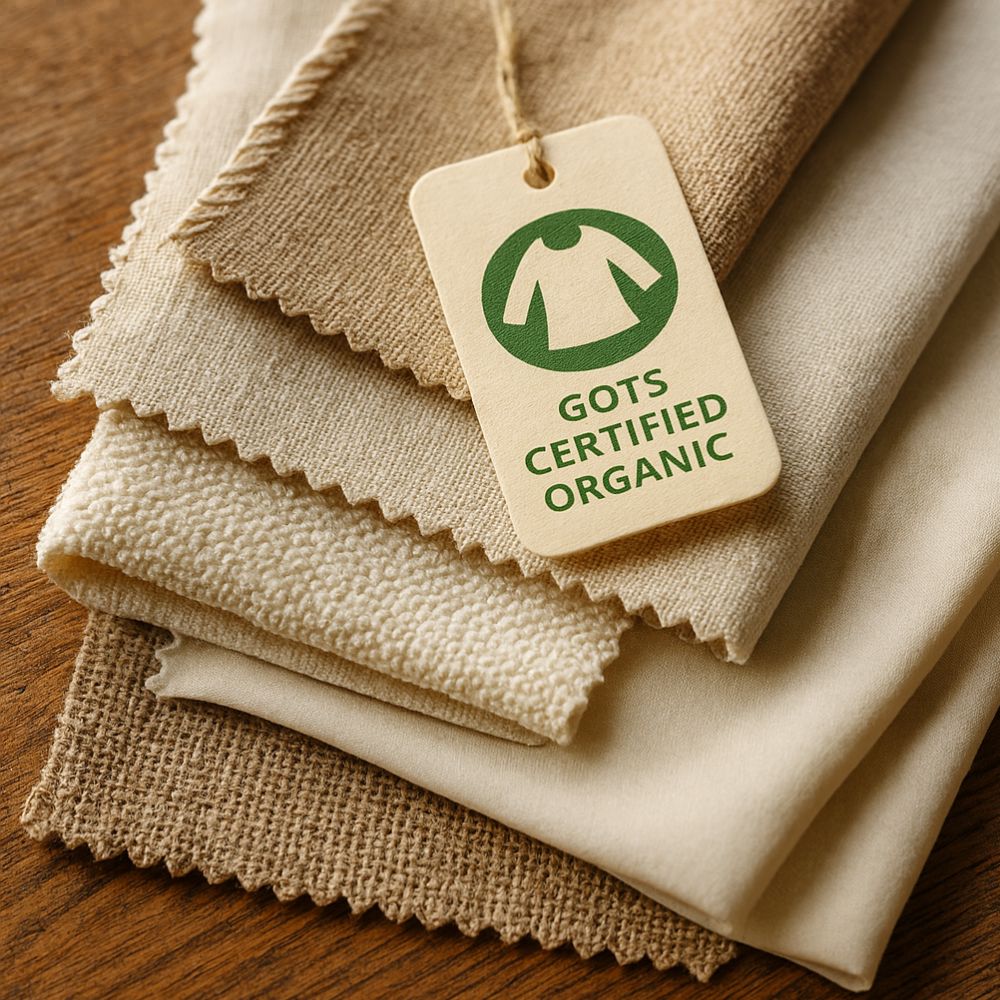
Certifications: Recognized standards like Fair Trade, GOTS (Global Organic Textile Standard), and B Corp.
Environmental Initiatives: Concrete actions like using renewable energy, reducing water consumption, and implementing recycling programs.
Fair Labor Practices: Commitment to living wages and safe working conditions throughout their supply chain.
7. Practice Seasonal Wardrobe Reflection
At the change of each season, review your wardrobe:
Assess What You Actually Wear: Be honest about what gets worn and what doesn’t.
Plan Mindful Acquisitions: Identify genuine gaps rather than following trends.
Refresh with Accessories: Sometimes, new accessories can update outfits without buying new clothing.
8. Embrace Minimalism
A minimalist approach to fashion doesn’t mean boring—it means curating a cohesive collection of pieces you love and wear regularly. Benefits include:
Less Decision Fatigue: Fewer choices make getting dressed easier.
More Creative Outfits: Limitations can spark creativity.
Reduced Environmental Impact: Fewer purchases mean lower resource consumption.
The Future of Sustainable Fashion
The sustainable fashion movement continues to evolve, with exciting developments on the horizon that promise to transform how we produce, use, and think about clothing.
Technological Innovations
Technology plays an increasingly important role in advancing sustainable fashion:
Material Science: Researchers are developing new sustainable materials from surprising sources, including fabrics made from mushroom roots (mycelium), orange peels, coffee grounds, and algae. These innovations offer alternatives to resource-intensive conventional materials.
Digital Fashion: Virtual clothing designed exclusively for digital use allows for creative expression without physical production. While still niche, digital fashion has potential for reducing waste in contexts like social media and virtual meetings.
Blockchain for Transparency: Distributed ledger technology enables unprecedented supply chain transparency, allowing consumers to trace a garment’s journey from raw material to finished product.
3D Printing: On-demand manufacturing using 3D printing could revolutionize production, creating items only when ordered and custom-fit to individual bodies, drastically reducing waste from unsold inventory and returns.
Policy and Regulation
Government intervention is increasingly recognized as essential for systemic change:
Extended Producer Responsibility (EPR): Policies that make brands responsible for their products throughout their lifecycles, including end-of-life management, are gaining traction globally.
Green Claims Regulations: To combat greenwashing, regulators in the EU and elsewhere are developing strict guidelines around environmental marketing claims. This will help ensure that terms like “sustainable” and “eco-friendly” have substantive meaning.
Import Controls and Eco-Tariffs: Measures to reform fashion production may include standardized certificates, import controls, subsidies, and eco-tariffs that account for environmental impacts.
Shifting Business Models
The future of sustainable fashion likely includes diverse business models that decouple profitability from volume growth:
Product-as-Service: Companies like Mud Jeans lease organic jeans that can be kept, swapped, or returned, creating ongoing relationships with customers while maintaining ownership of materials.
Rental and Subscription Services: The success of platforms like Rent the Runway demonstrates growing acceptance of access-over-ownership models, particularly for occasion wear.
Resale Integration: Major brands are increasingly incorporating resale into their business models, with companies like Patagonia, REI, and Levi’s launching dedicated secondhand platforms.
Cultural Shifts
Perhaps most importantly, we’re witnessing a cultural reevaluation of fashion itself:
New Status Symbols: As awareness grows, visible mending, vintage finds, and long-owned items are becoming status symbols rather than signs of poverty.
Educational Initiatives: Fashion schools are increasingly incorporating sustainability into their curricula, ensuring the next generation of designers approaches fashion differently.
Community-Based Approaches: Local repair cafes, clothing swaps, and skill-sharing workshops are rebuilding community connections around clothing.
Conclusion: Your Role in the Sustainable Fashion Movement
Sustainable fashion isn’t about achieving perfection—it’s about progress. Every small step toward more conscious consumption contributes to a larger collective impact. Remember that the most sustainable garment is the one already in your wardrobe.
As you embark on your sustainable fashion journey, focus on progress over perfection. Even switching one purchase from fast fashion to a more sustainable option makes a difference. The goal isn’t to immediately have a 100% sustainable wardrobe, but to become more mindful about your fashion choices.
You have tremendous power as a consumer. Every purchase is a vote for the kind of fashion industry you want to support. By choosing sustainable fashion, you’re supporting brands that prioritize environmental protection, fair labor practices, and animal welfare. You’re helping to reduce the 102 million tonnes of clothing projected to be produced annually by 2030. You’re standing in solidarity with the millions of garment workers who deserve living wages and safe working conditions.
The sustainable fashion movement needs diverse participants—not just those who can afford expensive ethical brands, but everyone who wears clothes. Whether you’re repairing a favorite sweater, organizing a clothing swap with friends, researching brands before purchasing, or simply buying less, you’re contributing to positive change.
Sustainable fashion represents both a return to wiser ways of producing and using clothing and an exciting frontier of innovation. It connects us to the people who make our clothes, the resources required, and the communities impacted along the way. Most importantly, it offers a vision of fashion that celebrates creativity, respects planetary boundaries, and values human dignity—a vision where what we wear aligns with who we are and the world we want to create.