
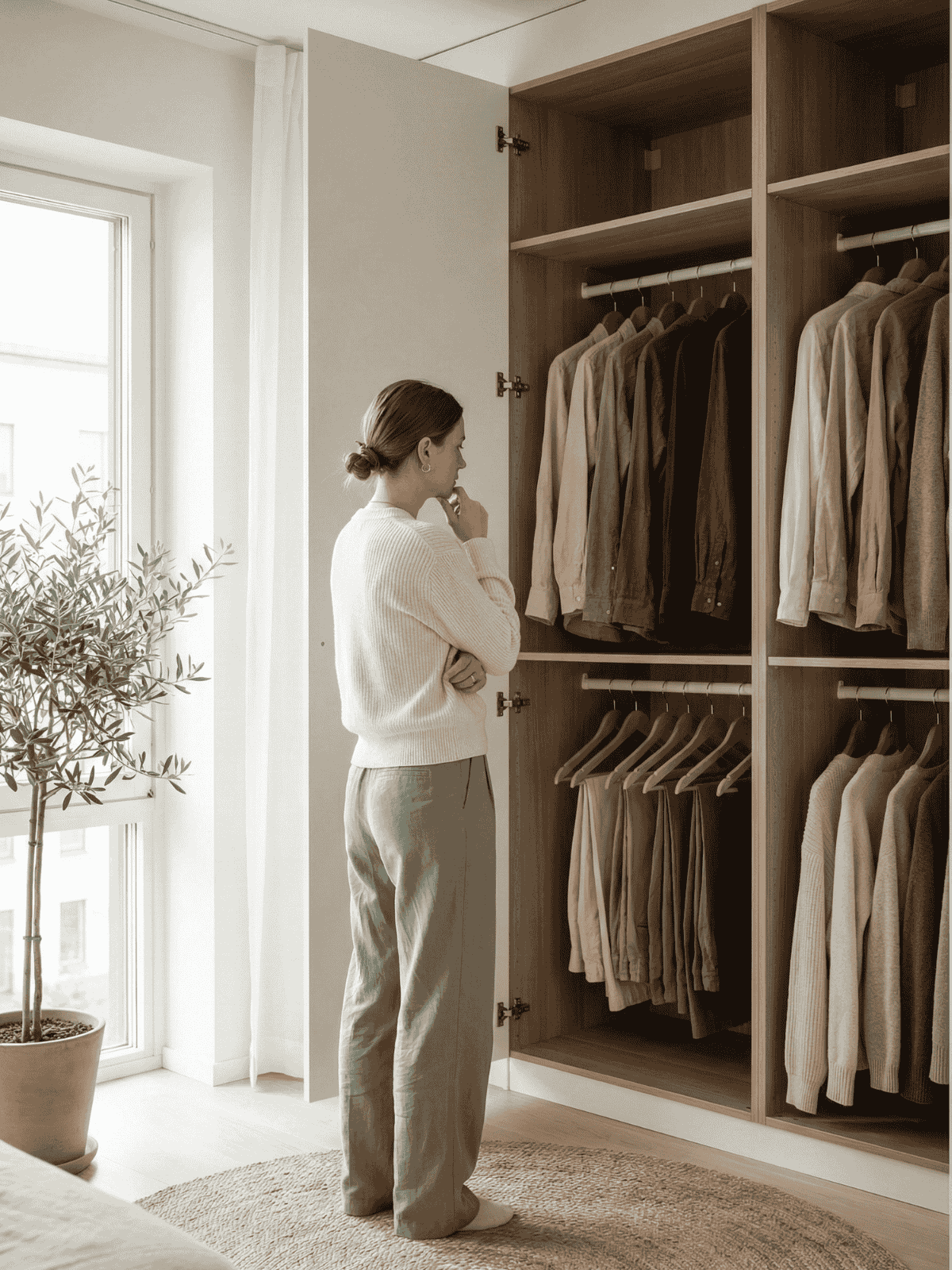
I started this experiment with a simple promise to myself: dressing sustainably for one month and paying attention to the real, everyday effects. No extreme rules, no influencer-perfect wardrobe — just practical choices that a busy person in the UK or USA could keep. What followed surprised me: changes to my spending, my style, my laundry habits, and even my morning mood.
Below is a full breakdown of the experiment, the exact changes I made (and why), data from daily logs, practical tips you can use, links to trusted resources, and an FAQ that answers common questions about dressing sustainably.
Why I Decided to Try Dressing Sustainably
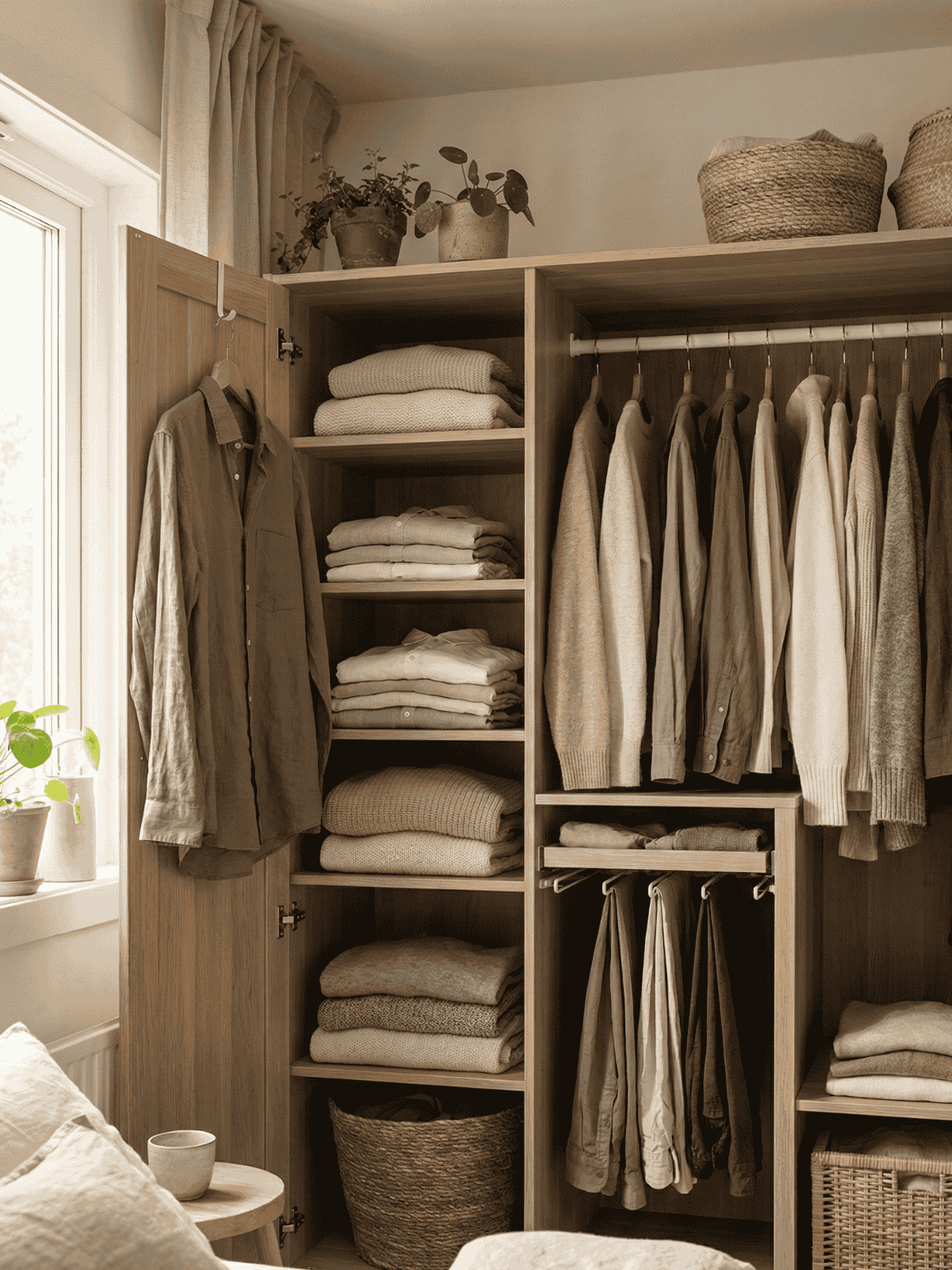
Dressing sustainably had been an idea in my head for years: buy better, waste less, and try to be more intentional. But “intentional” can feel vague. I wanted to test whether small, repeatable choices could create real change. Could dressing sustainably be practical for a normal person, not just an eco influencer with a capsule wardrobe made of curated pieces?
I chose the timeframe and approach to answer a few core questions:
- Would dressing sustainably save money in the short term?
- Would it make getting dressed easier or harder?
- What were the biggest friction points (repair skills, availability, price)?
- Which quick habits gave the most impact?
Rules of the 30-Day Experiment (but sustainable, not strict)
To keep this realistic, I followed a simple, flexible rule set that any reader can replicate:
- Focus on choices, not deprivation. Dressing sustainably meant choosing better options where possible — repair instead of toss, choose recycled fabrics for new buys, and prefer secondhand. It wasn’t about wearing the same outfit daily or cutting down to a tiny capsule unless that was my natural preference.
- One new habit per week. Small changes compound. I added a hygiene/maintenance habit each week (mend, line-dry more, buy one secondhand item).
- Track money & waste. I logged purchases and clothing disposals. If I repaired, I noted the time/money saved.
- Be honest. If I slipped and bought fast fashion, I logged why. This experiment was about feasibility, not perfection.
- Share results. Part of dressing sustainably is accountability and learning from resources. I documented each week publicly (short social posts) to mirror a Discover-friendly format.
Week-by-week Journal: What Changed When I Started Dressing Sustainably
Week 1: Awareness and Quick Wins
Focus: Inventory & small swaps.
I began by auditing my wardrobe: I laid out everything and grouped clothes into “love”, “repair”, “resell/donate”, and “keep but rarely wear.” The process took two hours and immediately made me aware of duplicates and impulse buys.
Key actions:
- Removed 12 items for donation/resale (I noted which were fast fashion).
- Introduced a “repair jar” for threads, buttons, and small mending needs.
- Replaced single-use dryer sheets with wool dryer balls.
Immediate changes:
- Decision fatigue decreased: seeing my curated options in the “love” pile made morning outfit choices faster.
- The amount of laundry changed slightly because I started rewearing jeans and sweaters more intentionally.
How this relates to dressing sustainably: The audit is a foundational step. Realizing what you already own is the fastest, cheapest route to being more sustainable.
Week 2: Adjusting Habits — Laundry, Care, and Repair
Focus: Caring for clothes to make them last.
I experimented with temperature changes (cooler washes), line drying when possible, and basic mending. I learned two surprising things:
- Line drying reduced microfiber shed from synthetics somewhat (a noticeable difference in lint traps).
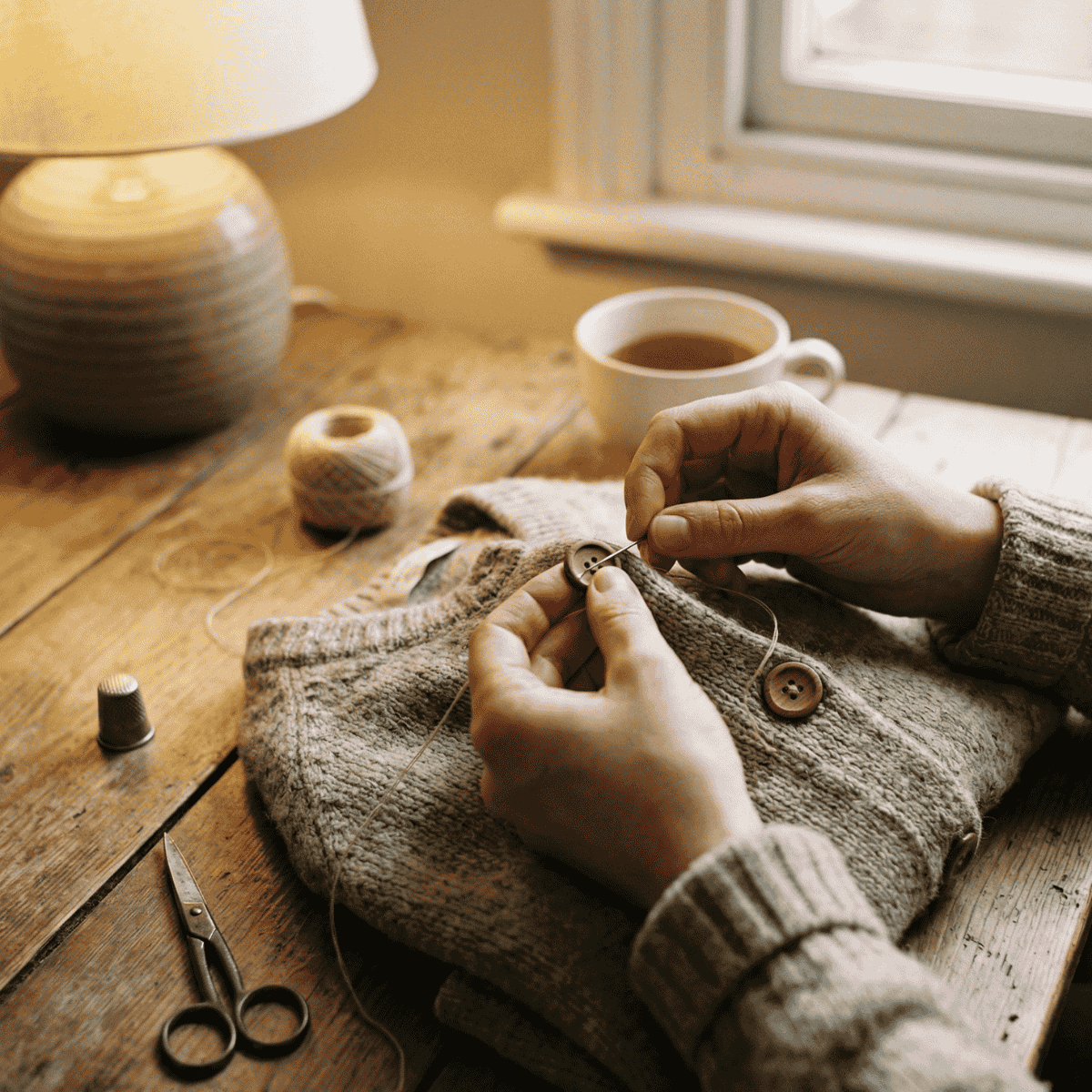
- Learning to sew a button properly took 10 minutes but saved a shirt from being discarded.
Daily routine changes:
- I started washing shirts on delicate, inside out, at 30°C (86°F) for most items.
- Invested in a small sewing kit (cost: under $10) and a set of repair tutorials.
How this relates to dressing sustainably: Caring extends life. Each repair or better wash setting decreases the frequency with which you need to replace items.
Week 3: Shopping Differently — Quality over Quantity
Focus: One strategic addition and secondhand browsing.
I set a rule: if I bought something new, it had to be secondhand OR meet at least two sustainability criteria (e.g., organic fabric, transparent supply chain, or recycled materials). I purchased one secondhand blazer and thrifted a sweater.
Outcomes:
- The secondhand blazer cost 40–60% less than a comparable new sustainable brand.
- I avoided impulse buying by waiting 48 hours before purchase decisions.
How this relates to dressing sustainably: Recommerce (thrift, resale) is one of the fastest ways to lower fashion’s footprint and can improve your wallet. For many readers in the USA and UK, apps and local thrift stores make this accessible.
Week 4: The Ripple Effects — Confidence, Money, and Social Share
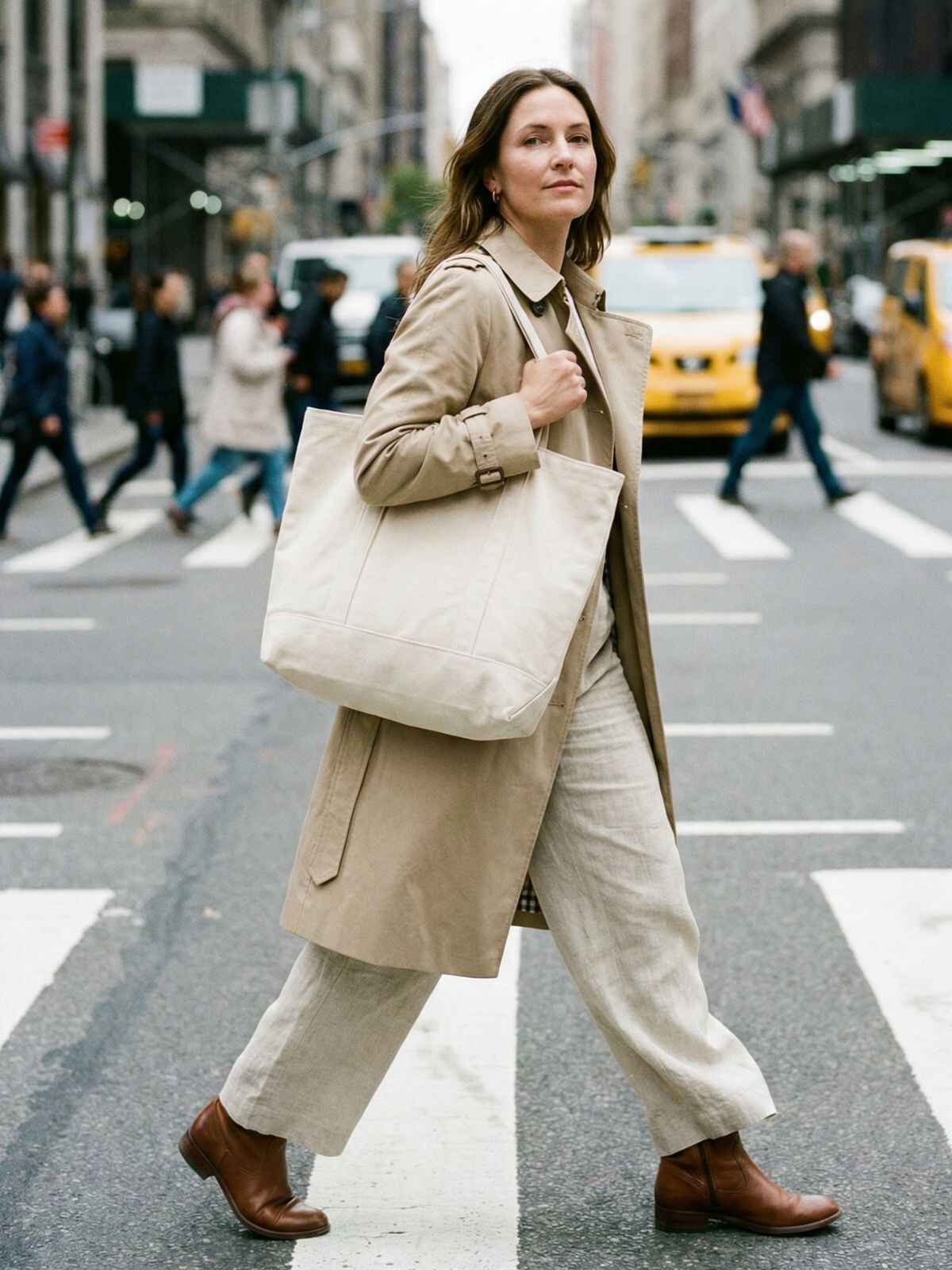
Focus: Observing intangible effects.
By the final week, changes were more about behavior and less about rules. I noticed:
- A clearer sense of personal style: fewer impulsive buys, more considered outfits that felt “me.”
- Money saved: small, cumulative savings from fewer impulse purchases and a repaired sweater avoided buying a replacement.
- Social behavior: I felt more comfortable recommending repair services and secondhand finds to friends — an unexpected personal identity shift.
How this relates to dressing sustainably: Small habit changes create social ripples — you influence others, and the sustainability practice becomes a lifestyle, not a project.
What I Learned — Practical Takeaways on Dressing Sustainably
Below are the practical lessons that anyone can use whether they’re in New York, Manchester, or elsewhere.
- Start with audit & repair. You’ll be surprised how much you can keep with small mends. Repair is one of the quickest wins for dressing sustainably.
- Secondhand replaces most “new” needs. For many items (blazers, coats, jeans) you can find high-quality secondhand alternatives that last longer.
- Small laundry changes matter. Cooler washes, gentler cycles, and air drying preserve fabric life.
- Set a lightweight buying rule. For example, “one in, one out” or wait 48 hours before buying. These rules reduce impulse buys and increase intention.
- Style + sustainability can coexist. Dressing sustainably doesn’t mean dressing dowdy — it’s often the opposite: better-fitting, better-made pieces can look sharper.
How to Start Dressing Sustainably Today — A Beginner’s Checklist
- Do a 1-hour wardrobe audit. Sort into keep, repair, donate/resell.
- Buy a sewing kit and learn basic stitches (there are short video tutorials).
- Choose one laundry habit change: lower temperature, inside-out wash, or line dry.
- Subscribe to one secondhand app or visit a local thrift shop.
- Make one intentional purchase (preferably secondhand or certified sustainable).
Sustainable Fabrics, Labels & What They Really Mean
Common labels and what to look for when dressing sustainably:
- Organic cotton: Grown without synthetic pesticides — better for soil and often farmers. But production still uses water.
- Tencel (Lyocell): Regenerated cellulose fiber from sustainably harvested wood; production can be energy intensive but often better than conventional viscose.
- Recycled polyester: Uses post-consumer plastic; reduces virgin petroleum needs — but microfibers remain an issue during washing.
- GOTS (Global Organic Textile Standard): A solid certification for organic textiles and ethical manufacturing practices. See the GOTS site for details:
- OEKO-TEX: Tests for harmful substances; useful but doesn’t guarantee full sustainability. For more on certifications, Fashion Revolution is helpful:
- Remember: labels are helpful but not a cure-all. Check materials, transparency, and supply chain claims.
Repair, Resell, Recycle: Extending the Life of Clothes
Practical options:
- Mend at home: Learn to patch, sew a button, fix a hem. Small time investments prevent waste.
- Local repair: Many cities have tailors or repair cafes where a small fee gets years more life from a garment.
- Resell platforms: eBay, Depop, Poshmark, and local marketplaces in the UK/USA help recirculate clothes.
- Fabric recycling: If textiles are truly beyond repair, look for fabric recycling programs. H&M and some local councils accept textiles for recycling — check local options.
Measuring Impact: Money, Waste, and Time Saved
During my 30-day dressing sustainably project I tracked:
- Money saved: Approximately £/€/$60 saved by avoiding two impulse buys and reselling one item.
- Clothing waste diverted: 12 items donated/resold instead of filling a bin.
- Time: The audit + mending added about 4 hours total to my month — time I consider well invested for long-term savings.
These numbers will vary by person, but tracking creates behavior change by making the impact visible.
FAQ
Q: What does dressing sustainably mean?
A: Dressing sustainably means choosing clothes and practices that reduce environmental and social harm — from buying secondhand to choosing certified fabrics and repairing rather than replacing.
Q: Is dressing sustainably more expensive?
A: It can be both cheaper and more expensive depending on choices. Secondhand and repair reduce costs; buying new sustainable items can cost more up front but last longer.
Q: How can I avoid microplastics when dressing sustainably?
A: Choose natural fibers when possible, use guppyfriend bags or filters when washing synthetics, and wash at lower temperatures.
Q: Where can I resell clothes in the UK/USA?
A: Platforms like Depop, Vinted (UK/Europe), Poshmark (USA), and eBay are popular. Local consignment stores are also great.
Q: How often should I wash my jeans/sweaters to be sustainable?
A: Washing less frequently — when needed rather than on a schedule — preserves fabric and reduces energy use. Spot-clean and air out between wears.
Q: Will dressing sustainably make me look less stylish?
A: Not at all. Better-fit, higher-quality items often look more polished. Dressing sustainably is about curating pieces that suit you rather than following fast cycles.
Is Dressing Sustainably Worth It?
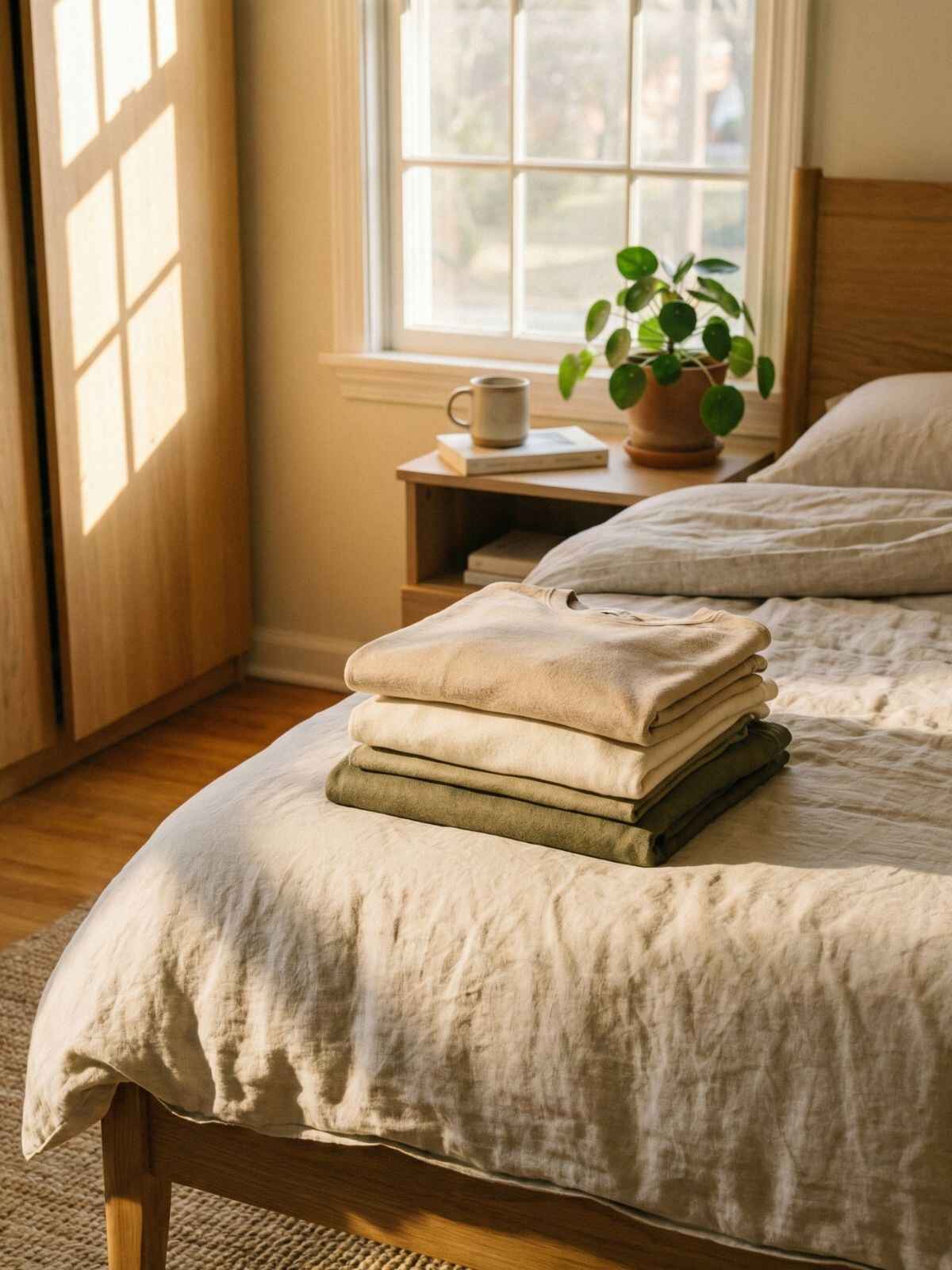
After this month of intentionally dressing sustainably, I can say the experiment wasn’t about deprivation — it was about clarity. The biggest change wasn’t purely environmental (though that was real) — it was how I felt in my clothes: more confident, less frenetic in buying, and more deliberate in care. For anyone considering the first step, start with a wardrobe audit and one new habit: learn to mend or make a considered secondhand purchase.