
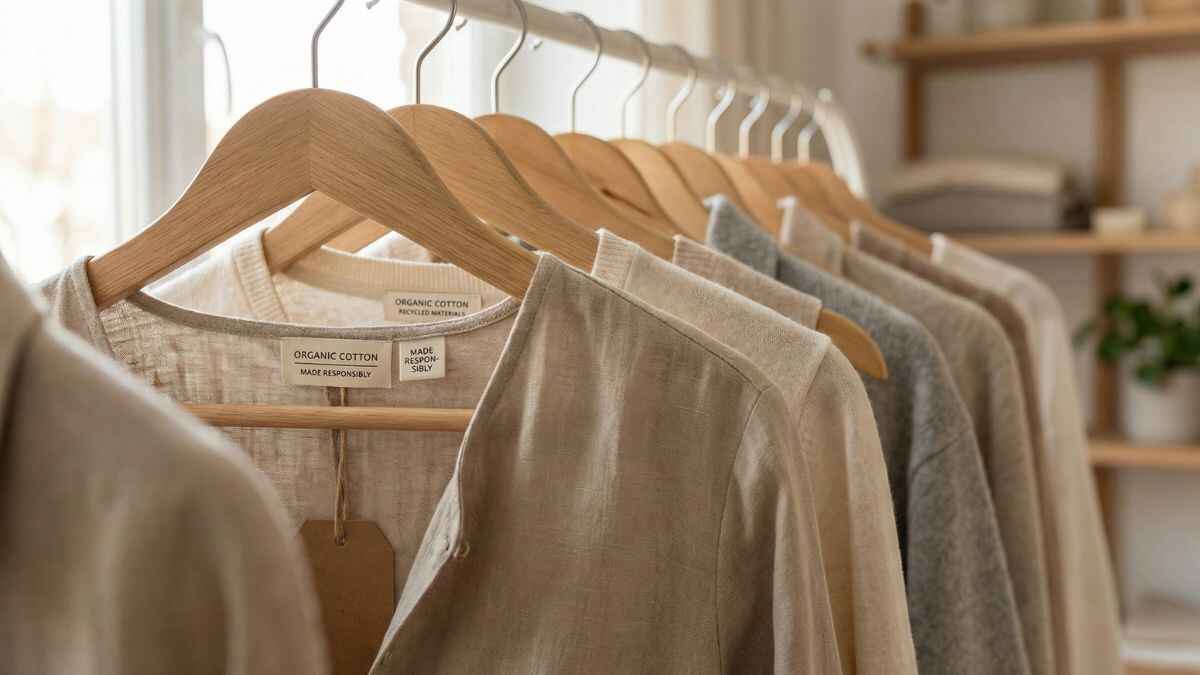
Why I Wrote This — A Personal Note
I started SustainTheStyle because I wanted honest, usable guidance on building a better wardrobe. After interviewing makers, testing brands, and doing a 30-day sustainable dressing experiment, one thing kept repeating: eco-friendly fashion claims are everywhere — and often vague. I wrote this to cut through the noise and give you a direct, practical roadmap for spotting what’s real, what’s exaggerated, and what’s outright misleading.
If you landed here from a Google Discover card or a social share, welcome. This article is long because the topic is complicated. You can skim the checklist or jump straight to the FAQ — but please read the shoppers checklist before buying your next “eco” tee.
During my 30-day sustainable wardrobe experiment, I realized how confusing eco-friendly fashion claims can be — which is why a practical Gen Z capsule wardrobe guide helps you build a usable closet without falling for vague sustainability buzzwords.
What “Eco-Friendly Fashion Claims” Actually Mean
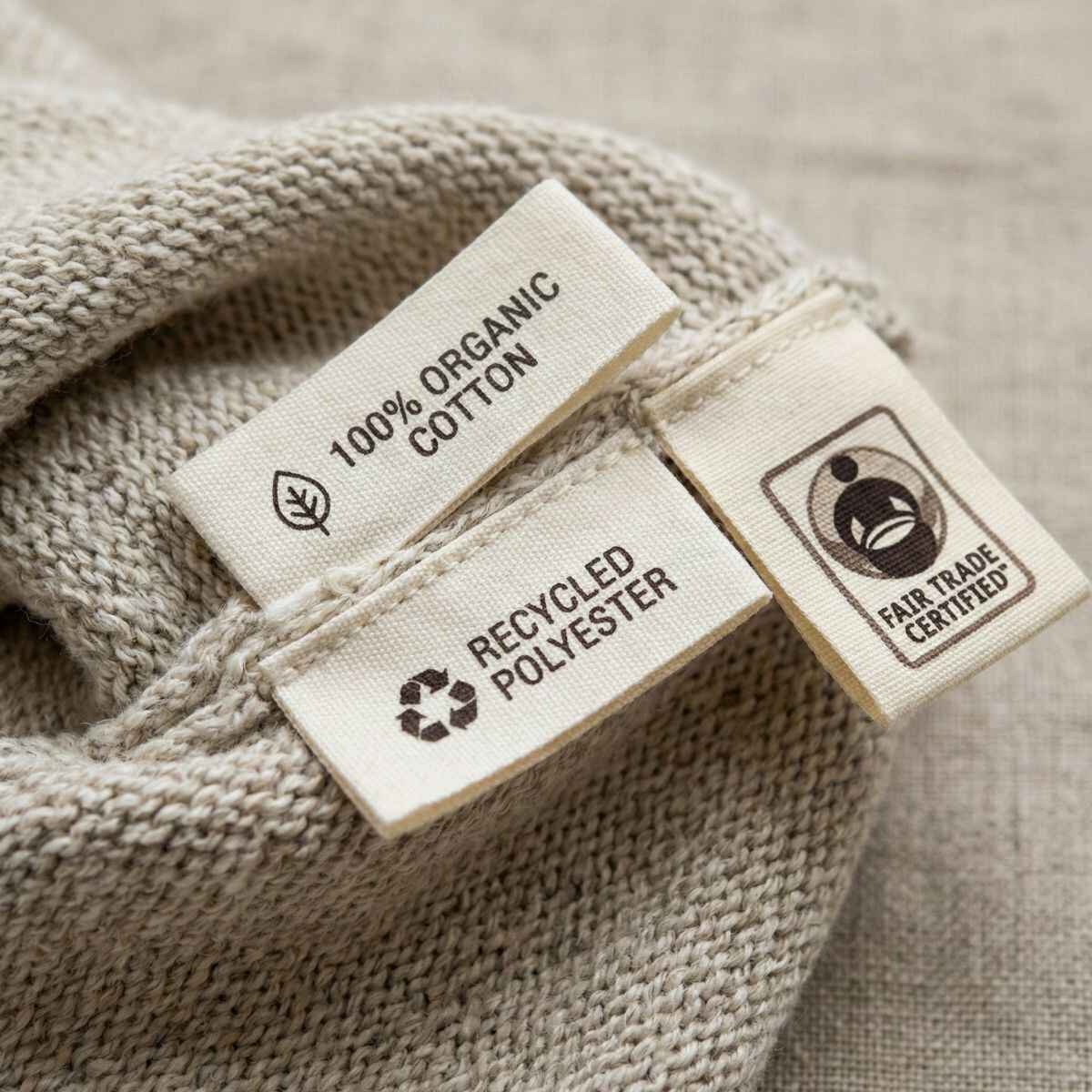
When brands use phrases like “eco-friendly,” “sustainable,” or “green,” those are marketing shorthand. An eco-friendly fashion claim can mean something specific (e.g., a garment uses GOTS-certified organic cotton) or it can be intentionally vague (e.g., “made with more sustainable materials”). The key problem is that the phrase “eco-friendly fashion claims” is not regulated in many markets — so brands can use it without meeting a consistent standard.
Throughout this article, I’ll use the term eco-friendly fashion claims to describe brand statements about environmental benefits — whether verifiable or not. Later sections explain how to distinguish the two.
The Most Common Misleading Eco-Friendly Fashion Claims
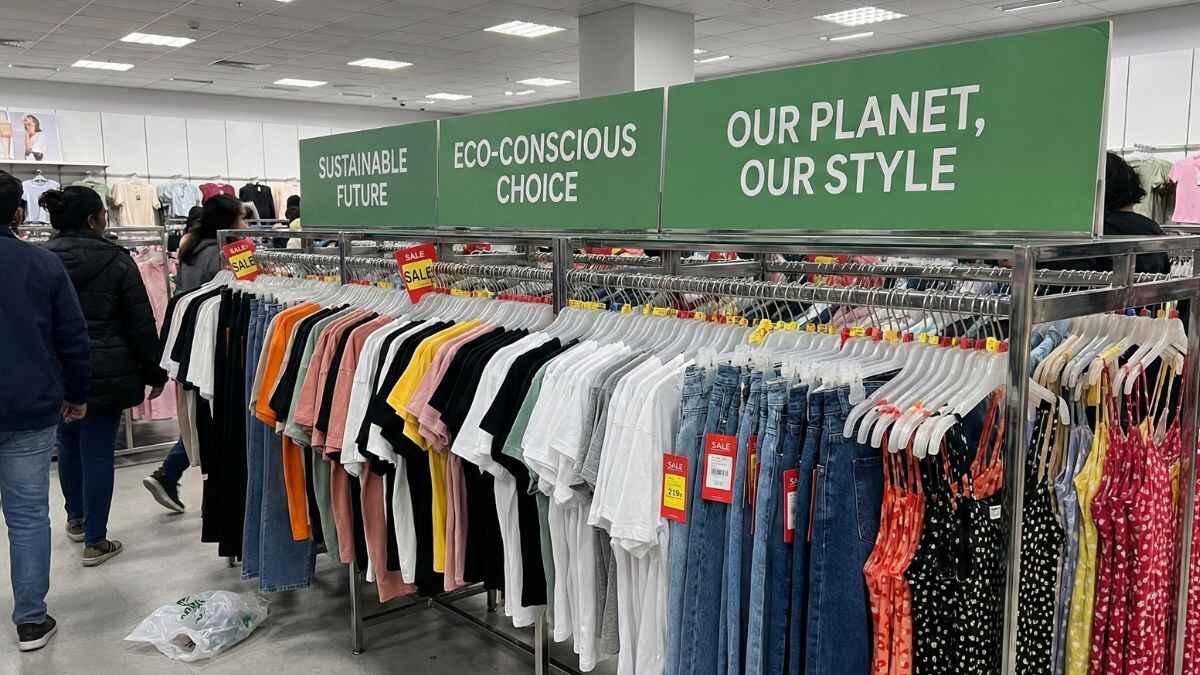
Brands that rely on fuzzy eco language often use specific claims that sound good but are incomplete. Below are the most common culprits.
“Made from Recycled Materials”
At first glance, “made from recycled materials” sounds unambiguously good. But the reality is nuanced:
- Recycled polyester from PET bottles reduces virgin polyester demand, but it still sheds microfibers at wash. An eco-friendly fashion claim that only says “recycled” doesn’t tell you how much recycled content is used (10% vs 100%), where the material came from, or whether chemical recycling was used.
- Look for specifics: percentage recycled content, third-party testing, and whether the recycled feedstock is post-consumer or industrial scrap.
“Sustainable” Without Evidence
“Sustainable” is a broad, often meaningless label unless tied to metrics:
- Does the claim include lifecycle data?
- Is it backed by a recognized certification or an independent audit?
- Brands sometimes use “sustainable” as an umbrella term to cover different initiatives — one recyclable bag here, a small carbon offset there. That still qualifies as an eco-friendly fashion claim — but it may not materially reduce environmental harm.
“Organic” Confusion
“Organic cotton” can be good — but only if it’s certified:
- Polymer blends and small organic content percentages don’t necessarily mean lower impact.
- Look for GOTS or other recognized certifications that ensure farming practices and chemical limits.
“Biodegradable” & “Compostable” Claims
“Biodegradable” fabrics sound ideal, but:
Many biodegradable textiles require industrial composting to break down — not home compost piles.
A garment labelled “biodegradable” may biodegrade only after chemical pre-treatment or under specific conditions (heat, oxygen). That nuance is rarely in the marketing copy.
“Low Impact” or “Green” Terms
Terms like “low impact,” “eco,” and “green” are marketing gold. They are intentionally fuzzy. An eco-friendly fashion claim that uses these words without data is usually worth scepticism.
How to Spot Greenwashing — Practical Signals
Greenwashing is when brands present an appearance of environmental responsibility without meaningful action. Here’s how to spot it.
Labels & Certifications That Mean Something
Look for these certifications; they are not perfect but provide independent checks:
- GOTS (Global Organic Textile Standard) — for organic textiles and social criteria. See https://www.global-standard.org.
- OEKO-TEX — tests for harmful substances; helpful for chemical safety.
- Bluesign — focuses on chemical management in textile production.
- Fair Trade — not strictly environmental, but often indicates stronger social standards.
- Cradle to Cradle and B Corp — check holistic manufacturing and business practices.
If a brand’s eco-friendly fashion claim lacks any certification, ask for proof.
Marketing Red Flags
- Vague language: “Green,” “eco,” or “sustainable” without data.
- Imagery > information: Nature photos and green packaging without technical claims.
- Single-issue emphasis: Promoting a small program (like planting trees) while continuing high-impact practices.
- No transparency: No supplier list, no audit reports, no factory locations.
Supply-Chain Transparency Checks
Ask:
- Who made this? (factory name / country)
- Where did the raw materials originate?
- Are there third-party audits or supplier codes of conduct?
If the answer is “we can’t share that,” treat the eco-friendly fashion claim with caution.
Real-World Examples (Case Studies)
I’ll summarize two anonymized case studies to show how eco-friendly fashion claims can mislead.
Case Study A: “Recycled” Sneakers
A popular sneaker brand released a shoe billed as “made from recycled bottles.” Customers praised it, and the brand touted the eco-friendly fashion claim across social channels. But a closer look found:
- Recycled content: 10% of the shoe’s weight
- No information on microfiber shedding
- Supply chain: subcontracted factories, no audit reports
Lesson: Recycled content by itself doesn’t equal a low-impact product. The eco-friendly fashion claim created a halo effect that obscured the shoe’s full lifecycle impacts.
Case Study B: “Biodegradable” Dress
A fast fashion label launched a line of “biodegradable” dresses. Marketing emphasized compostability and natural fibers. The truth:
- The dress used a blended fiber that requires industrial composting at 60°C
- No collection program or guidance for consumers
- The eco-friendly fashion claim was technically true but practically meaningless for most buyers
Lesson: Technical truth doesn’t always translate to environmental benefit.
How to Make Better Choices — A Shopper’s Checklist
This is the one section to copy, screenshot, and save.
Before you buy, check the brand’s eco-friendly fashion claim against these items:
- Specifics > buzzwords. Look for exact percentages, certifications, or test results.
- Third-party verification. Is the claim backed by an independent certification (GOTS, Bluesign, OEKO-TEX)?
- Material clarity. Is the garment mostly recycled polyester, or is it 100% recycled fabric? 10% or 90% makes a big difference.
- Care & durability info. Does the brand provide washing guidance? Longer use = lower lifetime impact.
- Repair & return policy. Brands encouraging repair or resale are better aligned with sustainability goals.
- Supply chain transparency. Check for factory names, audit PDFs, or supplier maps.
- End-of-life plan. Does the brand offer take-back, recycling, or composting instructions?
- Avoid single-metric claims. Carbon offsets or tree planting can help, but they shouldn’t be the only sustainability claim.
- Price vs quality test. Very cheap “eco” items usually mean corners were cut somewhere.
- Ask questions. Email brands and look for substantive answers — if they dodge, be skeptical.
A quick application: when you see an eco-friendly fashion claim on a product page, scan for one or two of the items above. If none exist, the claim likely leans toward marketing.
Sustainable Dresses: 10 Stunning Ways to Build an Eco-Chic Wardrobe
What Brands Should Be Doing (and Many Aren’t)
Good practice from brands should include:
- Clear labeling: % recycled content, % organic fiber, country of origin.
- Publish supplier & factory lists and audit summaries.
- Offer repair instructions and take-back programs.
- Publish lifecycle assessments or summary environmental reports.
- Avoid greenwashing: be honest about tradeoffs.
Brands that do these things don’t just make louder eco-friendly fashion claims — they make provable ones.
Policy, Regulation, and Why It Matters
Regulation is patchy. In some jurisdictions, rules around environmental claims are tightening (for example, the EU Green Claims Directive). In others, self-regulation remains the norm. This regulatory vacuum is what allows ambiguous eco-friendly fashion claims to proliferate.
Policymakers and industry groups are slowly moving toward standardizing claims and requiring substantiation. Until then, consumer literacy is the best defense.
Resources — Read More
Below are authoritative resources you can read for deeper context (DoFollow):
- Fashion Revolution — transparency and brand accountability.
- Good On You — brand ratings and ethical guides.
- Global Organic Textile Standard (GOTS) — certification details.
- UN Environment Programme — sustainable consumption guidance.
- EPA (US) textiles data — facts and figures on textile waste.
FAQ — Quick Answers About Eco-Friendly Fashion Claims
Q: Are all “recycled” claims bad?
A: No. Some recycled materials reduce virgin resource use significantly. But eco-friendly fashion claims that don’t specify percentages or sources are incomplete. Always look for data.
Q: Is organic always better?
A: Organic farming avoids many harmful chemicals, but organic fibers still require water and land. Certification (like GOTS) helps ensure better practices.
Q: Can cheap sustainable items be real?
A: Unlikely. Low retail prices usually mean costs were shifted elsewhere (labor, materials, or environmental externalities).
Q: What certifications should I trust?
A: GOTS, OEKO-TEX, Bluesign, and recognized third-party audits are stronger signals than in-house claims.
Q: Should I stop buying new clothes altogether?
A: Not necessarily. Focus on buying less, choosing better, repairing more, and opting for secondhand when possible.
Final Thoughts — Honest, Practical, & Actionable
Eco-friendly fashion claims can guide better choices — when they’re honest and specific. Too often, however, they act as a marketing mask that hides real impact. My aim with this article is practical: help you recognize meaningful claims, avoid the buzzwords, and buy in ways that reduce harm.
If you take one thing away, let it be this: look for specifics, not slogans. Ask the brand one simple question before you buy: Where exactly did the materials come from, and how much of the product is actually made from them? If they can’t answer, the eco-friendly fashion claim needs more scrutiny.