
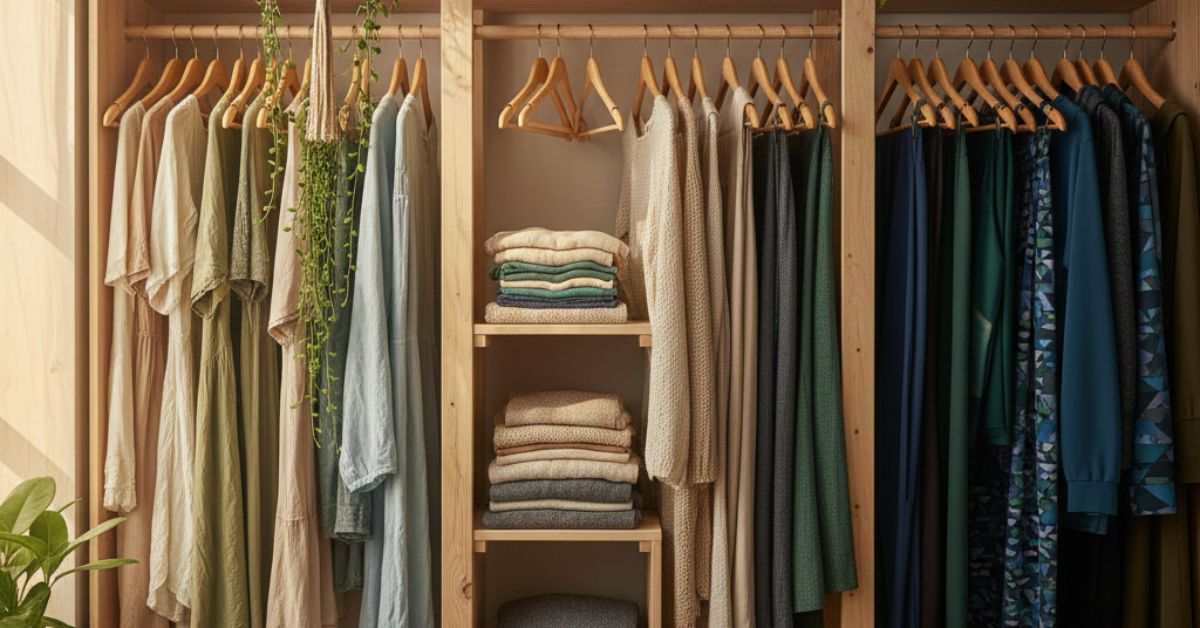
Sustainable Fashion: A Practical Guide to Building a Stylish Eco-Friendly Wardrobe
Sustainable fashion is changing the way Americans shop, dress, and express their personal style. More people across the USA are becoming mindful of how clothing is produced, what materials are used, and how garments impact the environment. Rather than being just a trend, sustainable fashion represents a long-term shift toward ethical choices, eco-friendly fabrics, and smarter consumption habits.
Whether you’re passionate about style, committed to a greener lifestyle, or simply trying to make better purchases, this practical guide will help you build a wardrobe that is both fashionable and environmentally responsible—without compromising comfort, creativity, or affordability.
What is Sustainable Fashion?
Sustainable fashion refers to clothing that is created ethically, using eco-friendly materials and manufacturing methods that minimize harm to the environment and the people involved.
Sustainability Includes:
- Using natural, organic, and recycled fabrics
- Reducing textile waste
- Ethical labor practices
- Long-lasting quality pieces
- Supporting brands with responsible production
Why Sustainable Fashion Matters
In the USA, millions of tons of clothing end up in landfills each year, contributing to environmental pollution and resource depletion. Fast fashion encourages constant purchasing, which not only creates waste but also often relies on unfair labor practices.
Choosing sustainable fashion helps reduce this negative impact. Organizations like Fashion Revolution, a global leader in ethical fashion advocacy, provide resources and transparency about the brands we support. By following their guidance, consumers can make informed choices that help:
- Reduce carbon emissions
- Lower toxic chemical use
- Save water and energy
- Prevent clothing waste
- Promote fair wages and safer working conditions
Sustainable fashion is not just about style—it’s a movement toward conscious consumption and ethical responsibility.
Benefits of Sustainable Fashion for American Consumers
1. Long-Term Savings
While sustainable clothing may cost slightly more upfront, it lasts longer. You end up saving money by buying fewer, higher-quality garments.
2. Versatile Wardrobe
Thoughtful purchasing leads to a capsule wardrobe—fewer pieces, more styling options.
3. Healthier Lifestyle
Synthetic material can cause allergies or irritations. Sustainable fabrics like organic cotton and linen are breathable and skin-friendly.
4. Supporting Small & Ethical Brands
Many U.S.-based sustainable labels manufacture domestically or follow fair labor policies.
Top Sustainable Fabrics You Should Look For

- Organic Cotton – Chemical-free and gentle on skin
- Bamboo – Soft, breathable, and biodegradable
- Hemp—durable and requires less water to grow
- Recycled Polyester – Upcycled from plastic waste
- Tencel (Lyocell)—Eco-friendly and silky soft
How to Build a Sustainable Wardrobe (Step-by-Step)
✔️ Step 1: Evaluate What You Own
Take inventory of your closet. Donate or recycle what you never wear.
✔️ Step 2: Choose Quality Over Quantity
Buy pieces that last and don’t go out of style.
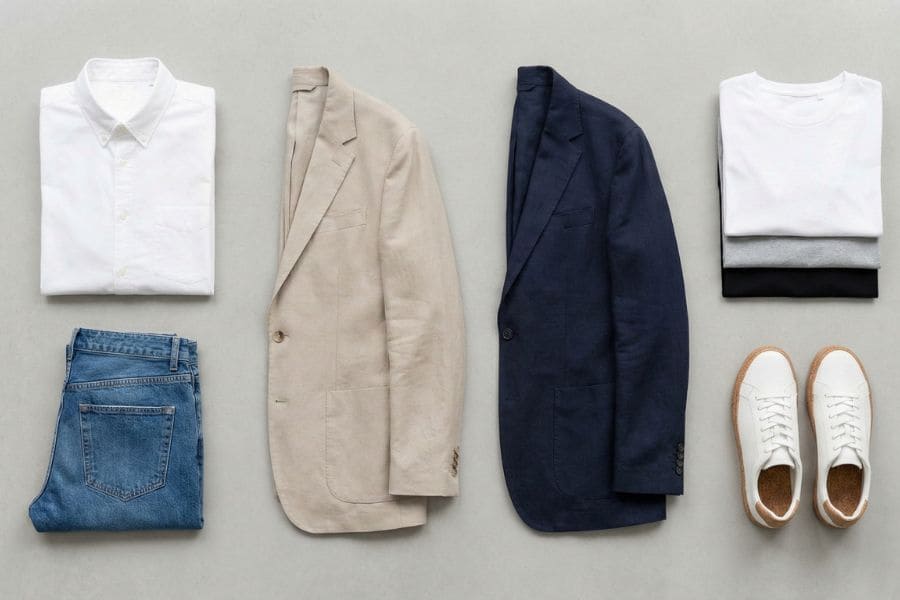
✔️ Step 3: Invest in Wardrobe Staples
- A classic white button-down
- Comfortable jeans (organic denim)
- Neutral blazers
- Cotton tees
- Recycled sneakers
✔️ Step 4: Shop Ethical Brands
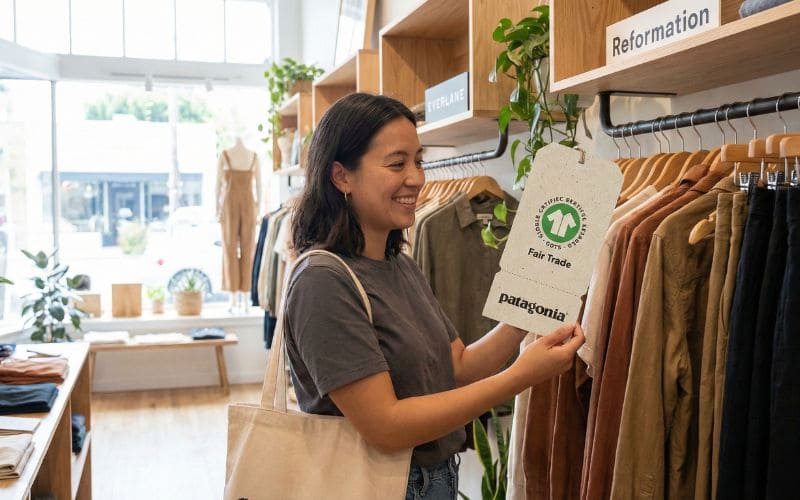
Look for brands that are transparent about their sustainability practices.
✔️ Step 5: Wash Wisely
- Wash clothes in cold water
- Use eco-friendly detergents
- Skip the dryer when possible
✔️ Step 6: Repeat, Resell, Repair
- Tailor clothes instead of throwing them away
- Buy second-hand or thrifted pieces
- Use resale platforms (Poshmark, Depop, ThredUp)
USA Sustainable Fashion Brands You Can Explore
- Patagonia – ethical manufacturing and recycled materials
- Reformation—stylish and sustainable fashion
- Everlane – transparent supply chain
- Girlfriend Collective – recycled activewear
Sustainable Fashion on a Budget—Yes, It’s Possible!

Many people assume sustainability is expensive, but here are affordable USA options:
- Buying from thrift stores
- Shopping online resale marketplaces
- Choosing wardrobe essentials over trends
- Renting outfits for events
- Repairing rather than replacing clothing
Eco-Friendly Laundry Tips That Save Money
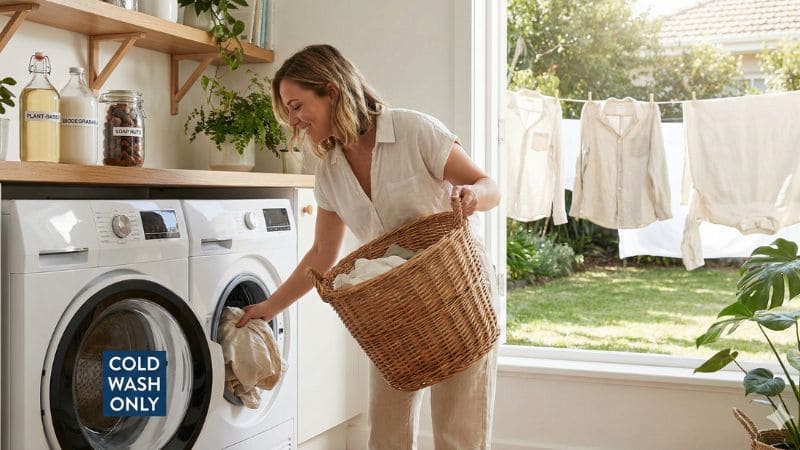
- Use cold water to reduce energy use
- Air-dry clothes
- Use eco detergents
- Avoid overwashing delicate garments
- Wash full loads to conserve water
How Sustainable Fashion Helps Reduce Waste in America
By choosing durable fabrics, recycling old garments, and buying consciously, we help reduce the millions of pounds of textiles dumped into U.S. landfills each year. Sustainable fashion encourages a “buy less but better” mindset.
Final Thoughts
Sustainable fashion isn’t about switching your entire closet overnight—it’s about making mindful choices one piece at a time. When you support eco-friendly brands, reuse clothing, and buy thoughtfully, you contribute to a greener future and a healthier planet.
Fashion can still be trendy, stylish, and expressive—but now with a positive purpose.
Read also: Ultimate High-Quality Sustainable Clothing Guide
FAQs
1. Is sustainable fashion expensive?
Not always. Many affordable, sustainable brands exist. You can also thrift or resell clothing.
2. What fabrics are eco-friendly?
Organic cotton, bamboo, hemp, Tencel, and recycled polyester.
3. How can I start a sustainable wardrobe?
Start by buying fewer but higher-quality pieces and supporting ethical brands.