
The Shocking Truth: Slow Fashion vs Fast Fashion and How to Choose Wisely
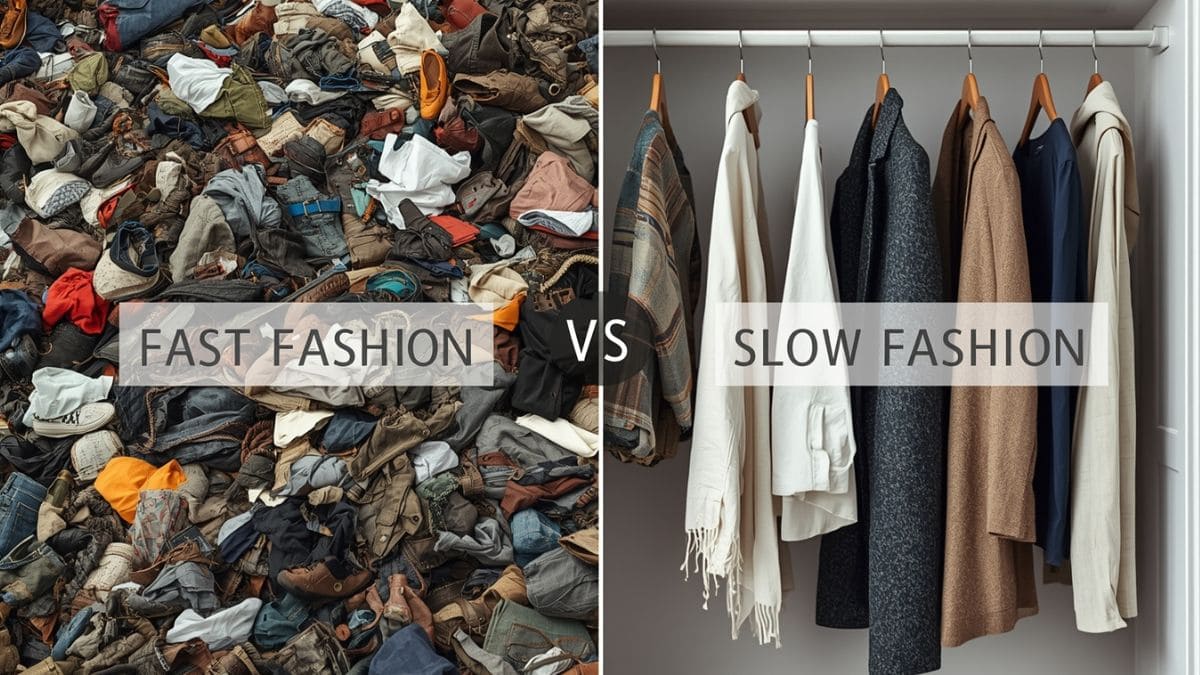
Slow fashion vs fast fashion isn’t just a passing trend—it’s one of the most critical conversations in our world today. It’s about more than just the clothes on your back; it’s a battle for the soul of our planet, the well-being of millions of people, and the very definition of value. If you’ve ever stood in front of a bursting closet and felt like you had nothing to wear or felt a pang of guilt after a cheap, impulsive purchase, you’ve already felt the tension between these two worlds.
This isn’t about making you feel bad. It’s about empowerment. Understanding the real story behind slow fashion vs fast fashion is the first step toward building a wardrobe that is not only beautiful and functional but also aligned with your values. This comprehensive guide will peel back the curtain, revealing the true cost of our clothing choices and giving you a practical, step-by-step blueprint for building a more sustainable style.
1. What is fast fashion? The Relentless Machine
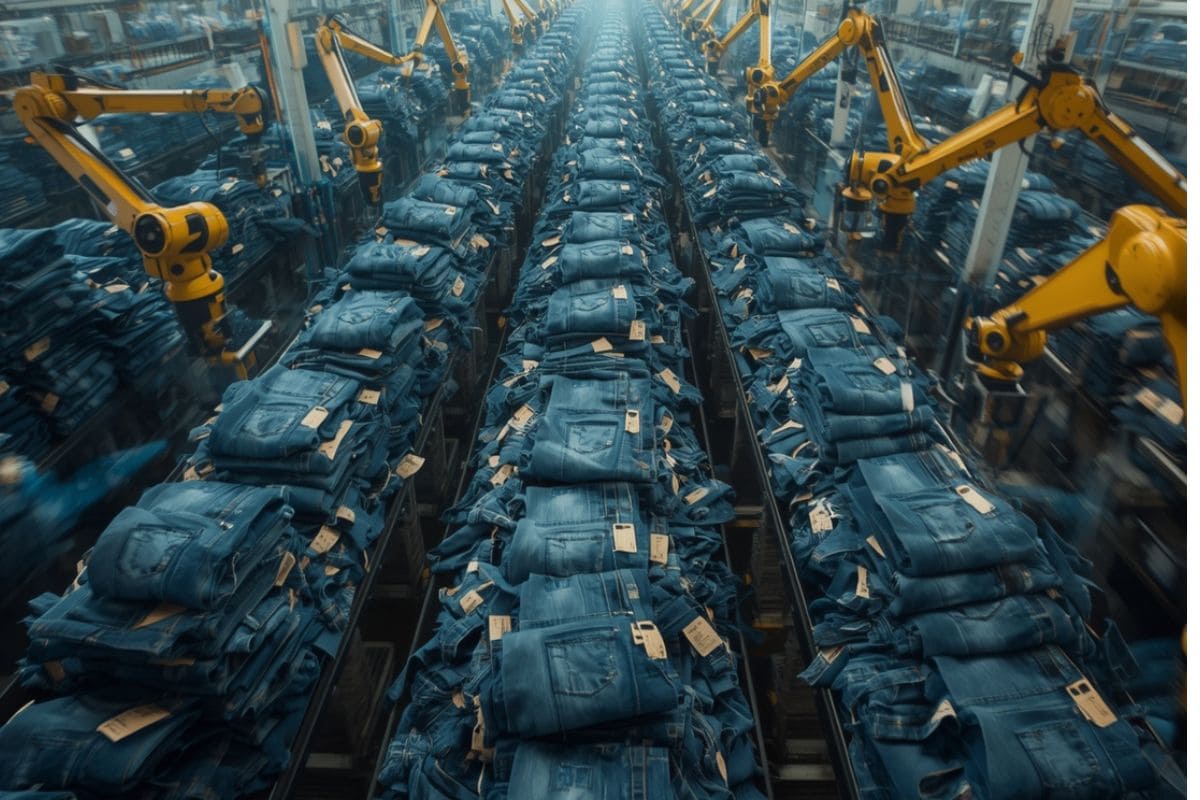
Fast fashion is a business model focused on rapidly producing high volumes of clothing, replicating the latest catwalk trends and celebrity styles at lightning speed and at a low cost. The goal is to get new styles into stores (and online) as quickly as possible to encourage frequent purchasing and constant consumption.
Brands like Shein, Zaful, and Boohoo are the modern epitome of this, with some releasing thousands of new products every single day. It’s a system built on impulse, fueled by social media hauls, and designed to make yesterday’s clothes feel obsolete today. I think of it as a treadmill that’s constantly speeding up, and it’s incredibly difficult to keep up without getting exhausted—or going broke.
2. What is Slow Fashion? The Mindful Movement
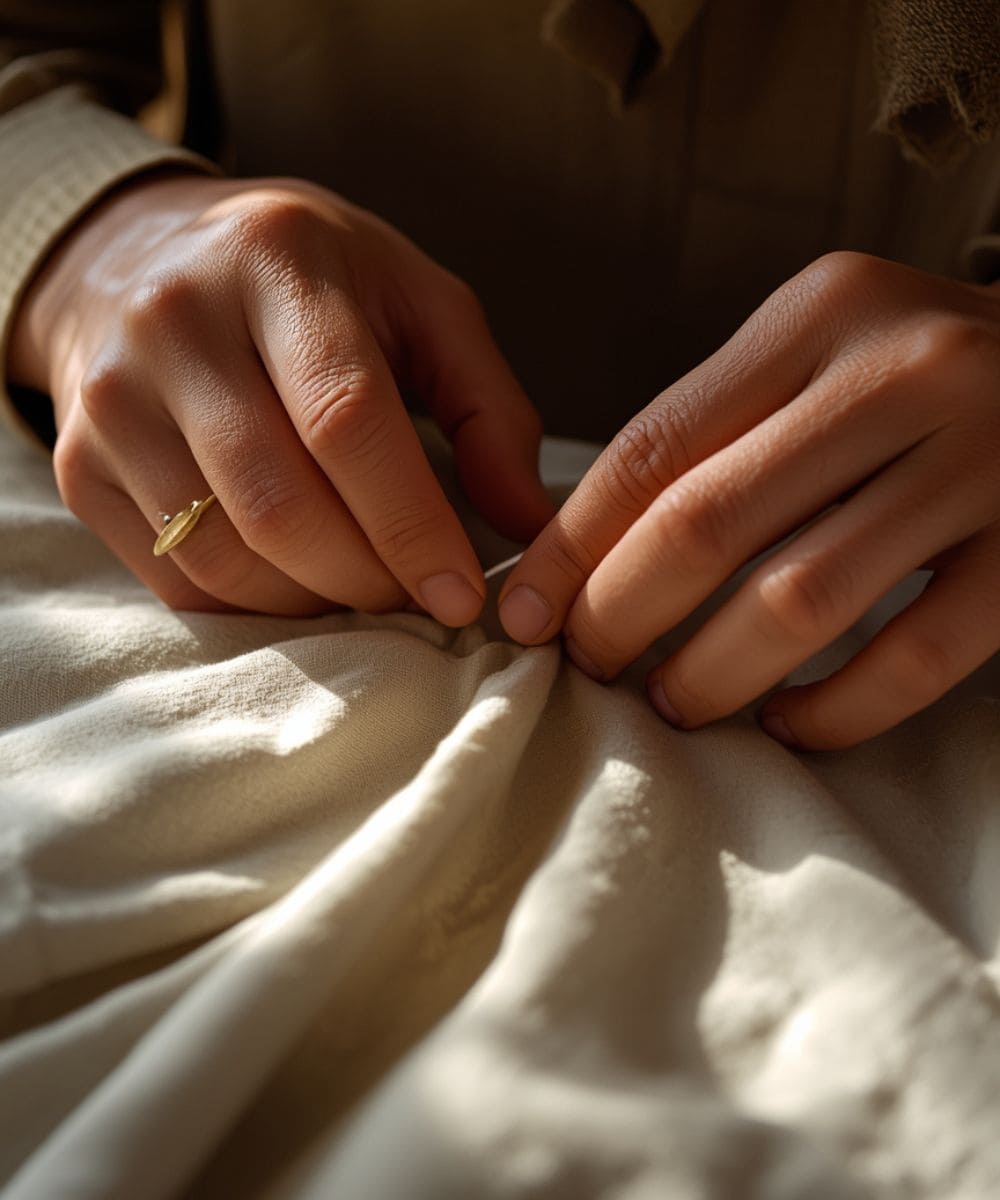
Slow fashion is the conscious and intentional alternative. It’s a philosophy that considers the entire lifecycle of a garment—from who made it and with what materials, to how it’s sold, how long it lasts, and where it ends up after you’re done with it.
Coined by sustainability pioneer Kate Fletcher in 2007, the term draws inspiration from the Slow Food movement. It’s not about everything being artisanal, expensive, or beige. It’s about:
- Mindfulness: Making thoughtful purchases you’ll love for years.
- Quality: Prioritizing well-made garments that stand the test of time.
- Ethics: Supporting brands that ensure safe working conditions and fair wages.
- Sustainability: Choosing materials and processes that minimize environmental harm.
- Transparency: Knowing the story behind your clothes.
3. The 10 Key Differences: Slow Fashion vs Fast Fashion
Let’s break down the core of the slow fashion vs fast fashion debate into a clear, side-by-side comparison.
3.1. Production Speed & Quantity: Blur vs. Deliberation
- Fast Fashion: Operates on a “see now, buy now” model. It can take as little as two weeks for a design to go from sketch to store, leading to 52+ “micro-seasons” a year. The pace is frantic and relentless.
- Slow Fashion: Operates on traditional, seasonal calendars (spring/summer, fall/winter) or even slower. Production runs are smaller and more deliberate, focusing on pre-orders and made-to-order items to prevent waste.
3.2. Price & True Cost: Sticker Price vs. Real Price
- Fast Fashion: The price tag is low, but the hidden costs are enormous. This low cost is subsidized by underpaid workers, polluted environments, and cheap materials that fall apart quickly. You pay less up front but more in the long run through frequent replacements.
- Slow Fashion: The price tag is higher, reflecting the true cost of ethical labor, quality materials, and sustainable practices. It’s an investment. As sustainable designer Vivienne Westwood famously said, “Buy less, choose well, make it last.”
3.3. Quality & Durability: Disposable vs. Heirloom
- Fast Fashion: Uses low-grade materials like flimsy polyester, cheap rayon, and thin cotton. Seams are often unfinished, zippers break, and colors fade after a few washes. These clothes are designed to be disposable.
- Slow Fashion: Prioritizes durable, natural, or high-quality recycled fabrics like organic cotton, linen, Tencel™, and robust wool. Construction is superior, with reinforced seams and attention to detail, meaning garments can last for decades, not months.
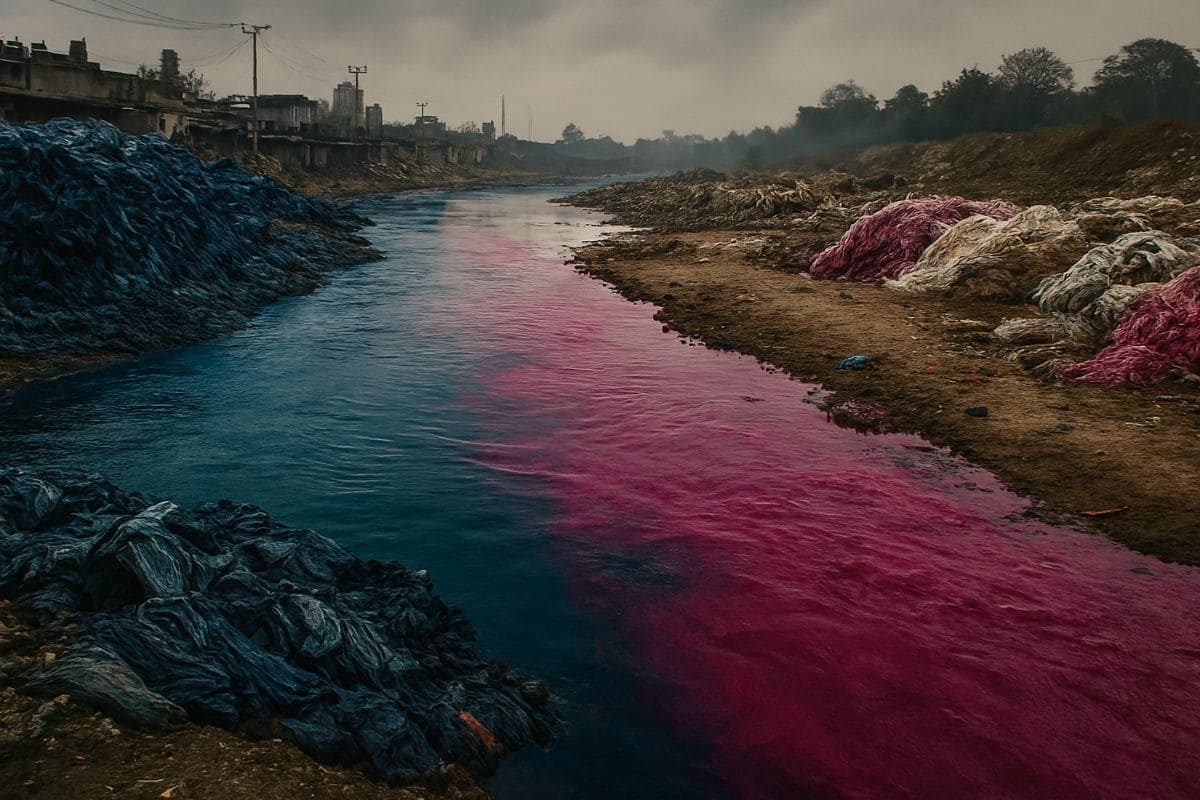
- Fast Fashion: A leading polluter globally. It is responsible for:
- 10% of global carbon emissions – more than all international flights and maritime shipping combined. UN Environment Programme
- Massive water consumption: It takes about 2,700 liters of water to produce one cotton t-shirt—that’s one person’s drinking water for 2.5 years.
- Water pollution: Toxic chemicals from dyeing and treatment processes often end up in rivers, poisoning ecosystems and communities.
- Textile waste: The equivalent of one garbage truck of textiles is landfilled or burned every second.
- Slow Fashion: Actively works to reduce its footprint through:
- Using organic and regenerative materials that use less water and no pesticides.
- Implementing water-saving, closed-loop dyeing processes.
- Designing for longevity and recyclability.
- Using deadstock fabric (leftover material) to create new clothes.
3.5. Labor Practices & Ethics: Exploitation vs. Empowerment
- Fast Fashion: Relies on complex, opaque supply chains that often hide horrific labor conditions. Garment workers, predominantly women in developing countries, are often paid less than a living wage and work in unsafe factories, as tragically highlighted by the 2013 Rana Plaza collapse.
- Slow Fashion: Champions fair trade principles. Brands often build direct relationships with their makers, ensure safe working conditions, and pay a living wage. They see their workers as skilled artisans, not just cogs in a machine.
3.6. Supply Chain Transparency: Murky vs. Clear
- Fast Fashion: The supply chain is a “black box.” It’s nearly impossible for consumers to find out where their clothes were made, by whom, and under what conditions.
- Slow Fashion: Radical transparency is a core value. Brands openly share information about their factories, their material sources, and their pricing breakdowns. You can often know the name of the person who made your clothes.
3.7. Design Philosophy & Timelessness: Trendy vs. Timeless
- Fast Fashion: Designs are based on fleeting, micro-trends. The goal is to make you feel “out of style” quickly so you’ll buy the next new thing.
- Slow Fashion: Focuses on timeless, versatile, and classic designs. The pieces are meant to be styled in multiple ways and remain fashionable for years, transcending the seasonal noise.
3.8. Consumer Relationship & Mindset: Transactional vs. Emotional
- Fast Fashion: The relationship is purely transactional. It’s about the quick dopamine hit of a new purchase, with little emotional connection to the garment.
- Slow Fashion: Fosters a deeper, more emotional connection. When you save up for a piece, know its story, and care for it, it becomes a cherished part of your identity. It’s about cultivating a personal style, not just consuming trends.
4. The Domino Effect: The Staggering Impact of Fast Fashion
The impact of fast fashion is truly staggering.
Its effects go far beyond the well-known environmental damage. This business model has actually reshaped our entire culture.
It promised to democratize style. But that came with a hidden cost. It completely devalued clothing itself.
The skill and labor needed to create a garment became invisible. We lost respect for the craft.
This system trained us to see our clothes as disposable. They became temporary trends, not cherished possessions. This is the heart of a “throwaway” culture.
The consequences are profound. This endless cycle of buying and discarding is unsustainable for our planet.
It’s also terrible for our mental well-being.
It fills our homes with clutter. It causes “decision fatigue” every morning. It creates a constant feeling of never having enough.
Breaking this cycle is essential. It’s the first step toward a healthier relationship with what we wear.
5. The Ripple of Hope: The Incredible Benefits of Slow Fashion
- A Closet You Love: Imagine opening your closet to see only pieces that fit perfectly, make you feel confident, and work together seamlessly. No more “closet full of nothing.”
- Saves You Money: While individual items cost more, you buy far less. You break the cycle of constantly spending money on cheap clothes that need replacing. Over a year, you will likely spend less.
- Reduces Decision Fatigue & Stress: With a curated, capsule-like wardrobe, getting dressed becomes a joy, not a chore.
- Personal Style Development: You stop following trends and start discovering what truly makes you feel like you.
- Peace of Mind: There is an immense feeling of satisfaction that comes from knowing your choices are supporting people and the planet, not causing harm.
7. Debunking the Myths: Common Slow Fashion Misconceptions Busted
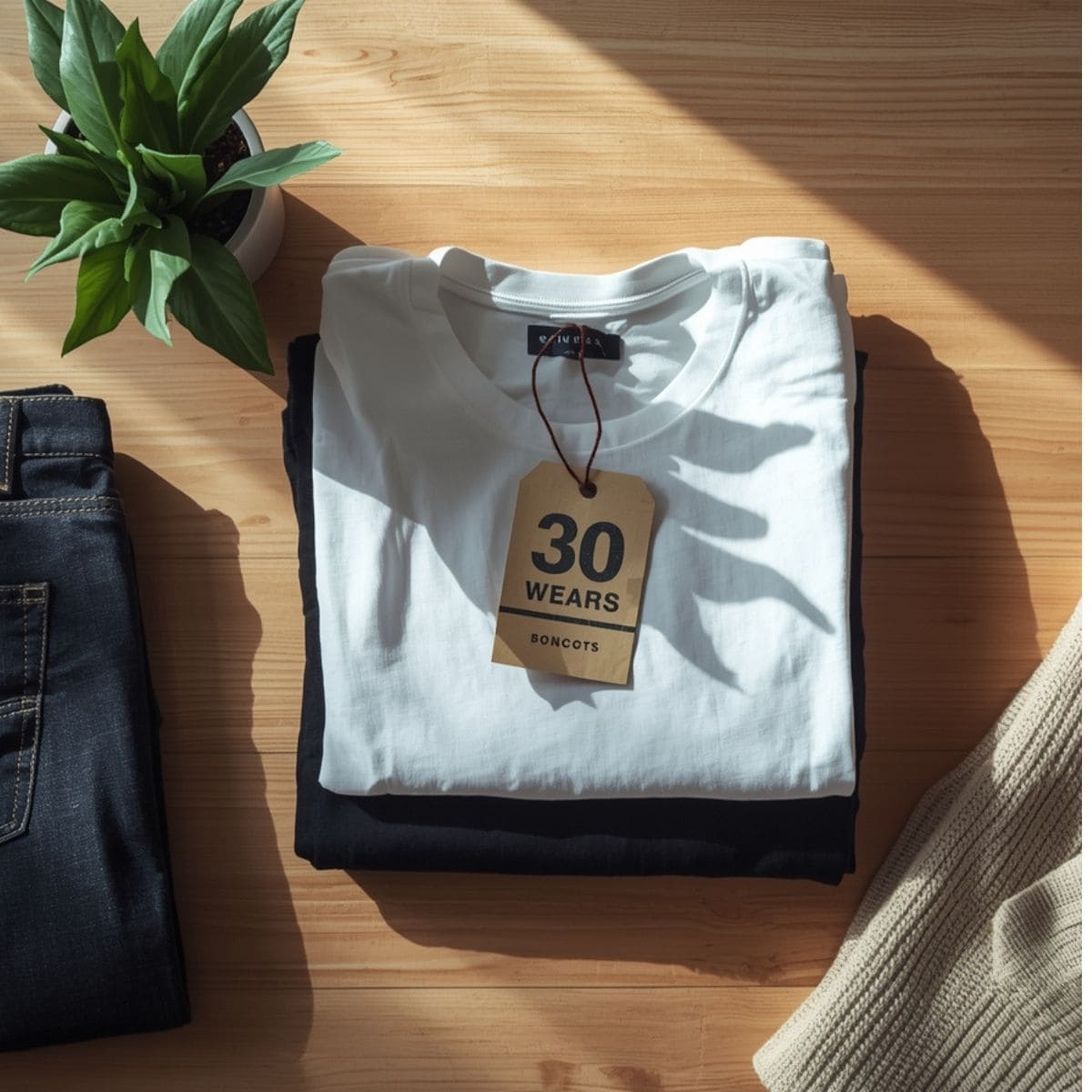
Truth: It’s about cost per wear. A $150 ethically-made dress worn 50 times costs $3 per wear. A $20 fast-fashion dress worn twice costs $10 per wear. Slow fashion is the more economical choice in the long run.
Truth: Every single purchase is a vote for the kind of world you want to live in. When millions of people make small, conscious choices, it creates a tidal wave of change that the industry cannot ignore.
8. Slow Fashion vs Fast Fashion: Your Questions, Answered (FAQ)
A: Yes, Zara is widely credited as one of the pioneers of the fast fashion model in the early 2000s. While they have made some efforts to improve, their core business still relies on the rapid turnover of new trends at a high volume.
Q2: What are some affordable slow fashion brands?
A: “Affordable” is relative, but some brands offer accessible entry points. Look at Pact for basics, Kotn for timeless staples, and Threads 4 Thought. However, never forget that the most affordable and sustainable option is often the one already in existence—secondhand shopping!
Q3: How can I tell if a brand is truly sustainable or just greenwashing?
A: Look for specifics, not vague claims like “eco-friendly.” Check their website for a dedicated “Sustainability” or “Our Story” page. Do they talk about specific factories, materials (e.g., GOTS certified organic cotton), and third-party certifications (like B Corp, Fair Trade, OEKO-TEX)? If the information is fluffy and hard to find, it’s likely greenwashing.
Q4: Can fast fashion ever become sustainable?
A: The fundamental business model of fast fashion—selling vast quantities of cheap, trend-driven clothing—is inherently at odds with sustainability. While improvements in recycling and material sourcing are positive, the core issue of overproduction and overconsumption remains. A true shift requires a complete overhaul of the model.
Q5: Where should I start if I want to transition my entire wardrobe?
A: Don’t try to do it all at once! Start with an audit of your current closet. See what you already love and what fits well. Then, as you need to replace items (like when your fast fashion jeans finally wear out), consciously replace them with a slow fashion or secondhand alternative. It’s a marathon, not a sprint.
The journey through the world of slow fashion vs fast fashion can feel overwhelming, but remember: progress, not perfection, is the goal. Every thoughtful purchase, every mended seam, and every conversation you have about this topic matters. You have the power to redefine your relationship with clothing and, in doing so, cast a vote for a more beautiful, just, and sustainable world. Start with one small step today. Your closet—and the planet—will thank you for it.