
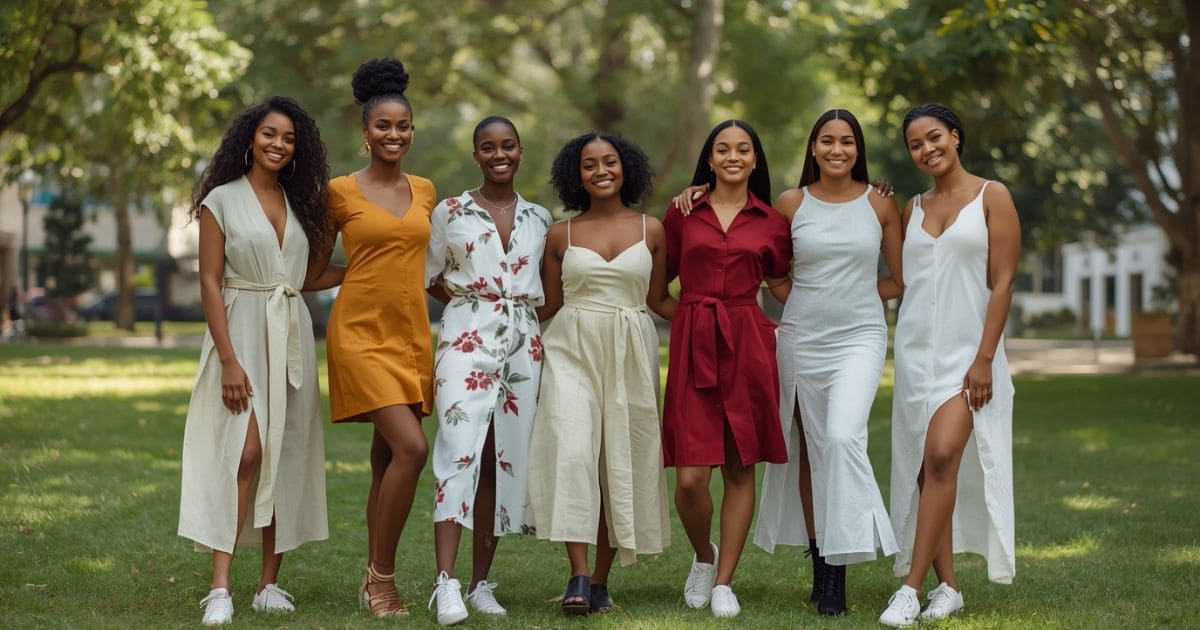
Introduction to Sustainable Dresses
Sustainable dresses represent far more than a passing trend in fashion—they embody a powerful movement toward environmental responsibility and ethical production practices. As climate concerns intensify and consumers become more ecologically aware, the demand for sustainable dresses has skyrocketed, transforming what was once a niche market into a mainstream priority for designers and shoppers alike. But what exactly makes a dress “sustainable”? At its core, a sustainable dress is a garment designed, manufactured, distributed, and used in ways that maximize environmental stewardship while ensuring fair labor practices and social responsibility throughout the supply chain.
The global fashion industry stands at a critical crossroads. With increasing awareness about textile waste, water pollution, and questionable labor practices, more consumers are questioning the true cost of their clothing. This awakening has sparked tremendous growth in the sustainable fashion sector, with the sustainable dresses market projected to reach $47.48 billion by 2030, expanding at an impressive 15.48% compound annual growth rate (CAGR). This shift isn’t just about avoiding harm—it’s about creating fashion that actively benefits people and the planet.
The appeal of sustainable dresses extends beyond their ecological credentials. These garments often feature superior craftsmanship, higher-quality materials, and timeless designs that transcend seasonal trends. By choosing sustainable dresses, you’re not just making a statement about your values—you’re investing in pieces that offer better durability, comfort, and style that lasts far beyond the typical fast-fashion lifecycle. In this comprehensive guide, we’ll explore everything you need to know about sustainable dresses, from materials and manufacturing to styling and care, helping you build a beautiful, conscious wardrobe that aligns with your principles.
Why Sustainable Dresses Matter
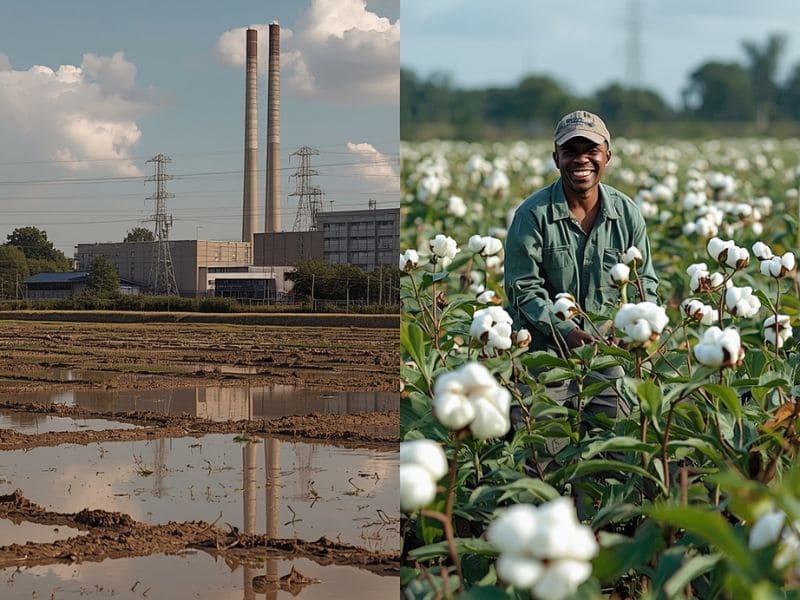
The significance of sustainable dresses extends far beyond their aesthetic appeal, touching upon critical environmental, social, and personal benefits that collectively contribute to a more responsible fashion ecosystem.
Environmental Impact
Conventional fashion production ranks among the world’s most polluting industries, but sustainable dresses offer a dramatically reduced ecological footprint. The production of traditional clothing consumes enormous resources—a single cotton t-shirt requires approximately 2,700 liters of water, equivalent to what an average person drinks over three years. Sustainable dresses utilizing organic cotton reduce this water consumption by up to 91% compared to conventional cotton. Additionally, the textile industry is responsible for about 20% of global industrial water pollution from toxic dyeing and treatment processes, which sustainable dresses largely avoid through natural, non-toxic alternatives.
The push toward circularity in sustainable dresses represents another crucial environmental benefit. Unlike conventional fashion’s “take-make-dispose” model, circular approaches ensure materials remain in use longer through recycling, upcycling, and responsible end-of-life management. Approximately 264,000 to 594,000 tonnes of textiles are destroyed before even being sold in Europe alone, highlighting the wastefulness of traditional fashion production. Sustainable dresses combat this through on-demand production, zero-waste cutting technologies, and designs that prioritize longevity over disposability.
Social Responsibility
The ethical dimension of sustainable dresses cannot be overstated. Behind every garment are real people whose well-being depends on fair labor practices and safe working conditions. The production of sustainable dresses ensures that workers throughout the supply chain receive living wages, work in safe environments, and are treated with dignity and respect. Brands committed to sustainable practices often pursue certifications like Fair Trade and maintain transparent supply chains that allow consumers to trace the journey of their clothing from raw material to finished product.
This ethical approach extends to animal welfare as well. Many sustainable dresses utilize innovative vegan materials that provide cruelty-free alternatives to traditional animal-derived fabrics. Advancements in plant-based leather alternatives from pineapple leaves (Piñatex), mushrooms (Mycelium), cactus, and apples offer luxurious textures without animal suffering. Even when sustainable dresses incorporate animal fibers like wool, ethical sourcing ensures humane treatment and responsible land management practices.
Personal Benefits
While the environmental and social advantages of sustainable dresses are compelling, the personal benefits they offer make them equally attractive from a wearer’s perspective. The materials used in sustainable dresses often provide superior comfort and wearability. Organic cotton, linen, hemp, and Tencel™ offer enhanced breathability, moisture-wicking properties, and softer textures against the skin compared to synthetic alternatives. These natural fibers are less likely to cause skin irritation or allergic reactions since they’re grown without toxic pesticides and processed without harsh chemicals.
The quality and durability of sustainable dresses also translate to better value over time. While the initial investment might be higher than fast-fashion alternatives, the extended lifespan of these garments makes them more economical in the long run. Sustainable dresses are designed with timeless aesthetics that resist trend cycles, ensuring they remain stylish for years rather than seasons. This approach aligns with the “slow fashion” philosophy that prioritizes buying fewer, higher-quality pieces that you truly love and will wear repeatedly.
Environmental Impact Comparison—Sustainable vs Conventional Dresses
| Factor | Sustainable Dresses | Conventional Dresses |
| Water Usage | Up to 91% reduction with organic cotton | Extensive water consumption for cotton growth & processing |
| Chemical Usage | Natural, non-toxic dyes & treatments | Heavy use of pesticides, synthetic dyes & finishes |
| Carbon Footprint | Lower emissions through renewable energy & recycling | High emissions from petroleum-based materials & long supply chains |
| Product Lifespan | Designed for durability & longevity | Planned obsolescence with trend-focused designs |
| End-of-Life | Biodegradable or recyclable materials | Often ends in landfills where synthetics take centuries to decompose |

The Growing Market for Sustainable Dresses
The market for sustainable dresses has experienced explosive growth in recent years, transforming from a niche segment into a powerful force reshaping the entire fashion industry. Current valuations and projections clearly demonstrate this upward trajectory, with the global sustainable fashion market expected to grow from USD 15.01 billion in 2025 to USD 47.48 billion by 2030, representing a remarkable 15.48% compound annual growth rate (CAGR). This growth significantly outpaces that of the conventional fashion market, indicating a fundamental shift in consumer preferences and industry practices.
Several key factors drive this expansion, including increased environmental awareness, regulatory changes, and generational shifts in shopping behavior. Millennials and Gen Z consumers are particularly influential in this space, with 68% of US sustainable apparel revenue coming from these demographic groups. These consumers demonstrate a stronger commitment to ethical production and environmental stewardship, with many willing to pay a premium for sustainable dresses that align with their values.
Regional Market Insights
The adoption of sustainable dresses varies across global regions, with some areas showing particularly strong growth:
North America: This region dominates the sustainable fashion market, holding approximately 30.5% of the global market share. The United States leads in conscious consumerism, driven by high environmental awareness and well-developed resale markets through platforms like ThredUp and The RealReal.
Europe: Stringent regulations, including the EU Strategy for Sustainable and Circular Textiles, are pushing brands toward more sustainable practices. European consumers have embraced circular fashion models, with countries like Germany and the UK showing particularly strong adoption of secondhand and rental fashion.
Asia-Pacific: As the fastest-growing region for sustainable fashion, Asia-Pacific shows tremendous potential, with countries like India and China integrating traditional techniques with modern sustainable practices. Initiatives like Fashion for Good’s partnership with Arvind Limited on “Future Forward Factories India” aim to create sustainable textile manufacturing blueprints that could influence the entire region.
Generational Preferences and Shopping Behavior
Understanding how different demographics approach sustainable dresses is crucial for comprehending market dynamics. Generational preferences vary significantly, influencing everything from marketing strategies to product development:
Gen Z and Millennials: These digitally native generations prioritize authenticity, transparency, and ecological responsibility when shopping for sustainable dresses. They’re more likely to research brand practices, seek out certifications, and value AI-curated shopping experiences that align with their specific values. Approximately 24-30% of these consumers prioritize quality over price, indicating a willingness to invest in longer-lasting pieces.
Gen X and Baby Boomers: While somewhat less driven by environmental concerns than younger generations, these consumers increasingly appreciate the quality and longevity of sustainable dresses. They respond well to loyalty programs, discounts (59% for Gen X), and messaging around durability and timeless style.
The online channel has become particularly important for sustainable dresses, capturing the largest share of market distribution. Digital platforms enable brands to transparently communicate their sustainability stories, provide detailed information about materials and production, and connect directly with conscious consumers. The integration of AI and personalization technologies further enhances the online shopping experience for sustainable dresses, helping customers find pieces that match their values, style preferences, and fit requirements.
Sustainable Fashion Market Overview by Region
| Region | Market Share | Key Growth Drivers |
| North America | 30.5% | High consumer awareness, established resale platforms, regulatory developments |
| Europe | 28% | Strong regulatory framework (EU Circular Economy Act), cultural shift toward circularity |
| Asia-Pacific | 25% | Rapidly growing middle class, traditional techniques merging with modern sustainability |
| South America | 10.5% | Rich natural resources, growing environmental movement, traditional craftsmanship |
| Middle East & Africa | 6% | Emerging initiatives, cultural heritage techniques, growing sustainability awareness |
Fabrics and Materials in Sustainable Dresses

The foundation of any sustainable dresses lies in the materials from which it’s crafted. Innovative fabrics with reduced environmental impact have emerged as game-changers in the fashion industry, offering consumers eco-friendly alternatives without compromising on style, comfort, or quality.
Plant-Based Fabrics
Plant-derived materials form the backbone of sustainable fashion, offering biodegradable, renewable options with significantly lower environmental footprints than conventional textiles:
Organic Cotton: Grown without synthetic pesticides or fertilizers, organic cotton reduces water consumption by 91% compared to conventional cotton while promoting healthier soil ecosystems. Sustainable dresses made from organic cotton offer exceptional breathability and softness, making them ideal for everyday wear. The Global Organic Textile Standard (GOTS) certification ensures both environmental and social responsibility throughout the production process.
Linen: Made from flax plants that require minimal water and no pesticides, linen represents one of the most ancient and sustainable textiles. Sustainable dresses crafted from linen offer exceptional durability and temperature-regulating properties, keeping wearers cool in warm weather. The fabric develops a beautiful patina over time, gaining softness with each wash while maintaining its structural integrity.
Hemp: As a fast-growing crop that naturally enriches soil and requires minimal resources, hemp offers tremendous sustainability credentials. Sustainable dresses made from hemp fabric are remarkably strong, breathable, and naturally resistant to mold and ultraviolet light. Modern processing techniques have transformed hemp into luxuriously soft textiles suitable for everything from casual day dresses to elegant evening wear.
Bamboo: When processed responsibly, bamboo offers an exceptionally soft, breathable material for sustainable dresses. Bamboo grows rapidly without pesticides and requires minimal water, making it a highly renewable resource. However, it’s crucial to look for closed-loop processing systems (often certified by the Forest Stewardship Council) that prevent chemical runoff and ensure environmentally responsible manufacturing.
Recycled and Innovative Materials
Beyond natural fibers, technological advancements have created exciting new categories of sustainable materials:
Recycled Polyester: Made from post-consumer plastic bottles, recycled polyester (rPET) diverts waste from landfills and oceans while reducing the fashion industry’s dependence on petroleum. Sustainable dresses incorporating recycled polyester offer the same performance characteristics as virgin synthetic materials but with a significantly reduced environmental footprint. Brands like Hugo Boss have introduced innovative recycled polyester yarns like NovaPoly, which incorporates natural additives to enhance biodegradability.
Lyocell (Tencel™): Produced from wood pulp (typically eucalyptus) in a closed-loop system that recycles over 99% of solvents and water, Lyocell represents a breakthrough in sustainable textile production. Sustainable dresses made from Tencel™ offer a silky drape, exceptional moisture-wicking properties, and natural biodegradability. The fabric’s versatile nature makes it suitable for everything from flowing maxi dresses to structured sheaths.
Innovative Vegan Leathers: Plant-based leather alternatives have revolutionized sustainable fashion, offering cruelty-free options with compelling environmental profiles. Sustainable dresses may incorporate leather alternatives made from pineapple leaves (Piñatex), mushroom roots (Mycelium), cactus, or apple waste from food production. These innovative materials closely mimic the properties of animal leather while avoiding the environmental drawbacks of traditional tanning processes.
Certifications to Trust
Navigating the world of sustainable dresses requires understanding the certifications that verify environmental and ethical claims:
Global Organic Textile Standard (GOTS): The gold standard for organic textiles, GOTS certification ensures strict environmental and social criteria throughout the production chain.
OEKO-TEX Standard 100: This certification guarantees that textiles have been tested for harmful substances, making them safe for human health.
Fair Trade Certified: Ensuring fair wages and safe working conditions for farmers and workers, this certification addresses the social dimension of sustainability.
Forest Stewardship Council (FSC): Particularly relevant for wood-based fibers like Tencel™, FSC certification ensures responsible forestry practices.
Comparison of Sustainable Fabric Types for Dresses
| Fabric | Key Advantages | Common Uses in Dresses | Certification to Look For |
| Organic Cotton | Reduced water usage, no toxic pesticides, biodegradable | Everyday dresses, shirt dresses, casual styles | GOTS |
| Linen | Minimal water requirements, highly durable, temperature-regulating | Summer dresses, maxi dresses, relaxed styles | GOTS, OEKO-TEX |
| Hemp | Soil-enriching, pest-resistant, durable yet soft | Bohemian styles, casual day dresses, blends | GOTS |
| Tencel™ (Lyocell) | Closed-loop production, silky drape, moisture-wicking | Elegant dresses, draped styles, evening wear | FSC, OEKO-TEX |
| Recycled Polyester | Diverts plastic waste, reduces petroleum dependency | Activewear dresses, structured styles, blends | Recycled Claim Standard |
How to Shop for Sustainable Dresses

Navigating the world of sustainable dresses can feel overwhelming, given the plethora of options and sometimes conflicting information. However, armed with the right knowledge and strategies, you can confidently build a wardrobe that reflects both your style values and your commitment to sustainability.
Identifying Truly Sustainable Options
The term “sustainable” has been co-opted by many brands engaging in greenwashing—making misleading environmental claims to capitalize on consumer interest. Here’s how to identify genuinely sustainable dresses:
Transparency Over Vagueness: Brands truly committed to sustainability provide specific information about their supply chains, manufacturing processes, and material sources. Look for detailed “About Us” sections that name factories, share supplier relationships, and disclose environmental impacts. Be wary of vague claims like “eco-friendly” or “green” without substantiating evidence.
Third-Party Certifications: As mentioned in the previous section, legitimate certifications provide independent verification of a brand’s sustainability claims. When shopping for sustainable dresses, look for GOTS, OEKO-TEX, Fair Trade, and other recognized certifications that ensure compliance with strict environmental and social standards.
Comprehensive Sustainability: True sustainability encompasses more than just materials. Evaluate brands based on their holistic approach, including energy use in manufacturing, packaging, shipping methods, and end-of-life garment management. Brands leading in sustainability often publish comprehensive sustainability reports detailing their goals and progress.
Where to Shop
Finding sustainable dresses has become increasingly easier as more retailers embrace ethical production:
Dedicated Sustainable Brands: Companies like Stella McCartney, Reformation, and Eileen Fisher have built their entire business models around sustainable practices, offering stylish sustainable dresses with verified environmental and social credentials. While these brands often command higher price points, their commitment to transparency and quality makes them worthwhile investments.
Mainstream Brands with Sustainable Lines: Many conventional retailers now offer sustainable collections featuring sustainable dresses made from organic, recycled, or responsibly sourced materials. While these options make sustainability more accessible, it’s important to research whether the brand’s overall practices align with their sustainable collection claims.
Secondhand and Vintage Platforms: Shopping pre-owned represents one of the most sustainable approaches to fashion. Platforms like ThredUp, Vestiaire Collective, and The RealReal offer extensive selections of sustainable dresses from both sustainable and conventional brands, extending garment lifecycles and reducing waste. Vintage shopping adds the bonus of unique pieces with history and character.
Rental Services: For special occasions, sustainable dresses that might otherwise sit unused in closets, rental services like Rent the Runway offer access to designer pieces without the environmental cost of single-use purchases. The rental model significantly reduces the carbon footprint per wear while allowing experimentation with different styles.
Budget-Friendly Strategies
While sustainable dresses often carry higher price tags than fast-fashion alternatives, several strategies make them more accessible:
The Cost-Per-Wear Calculation: Instead of focusing solely on the purchase price, consider the cost per wear of a garment. A $200 sustainable dress worn 50 times costs $4 per wear, while a $40 fast-fashion dress worn twice costs $20 per wear. Higher-quality sustainable dresses typically offer better longevity, making them more economical over time.
Priority Pieces: When building a sustainable wardrobe strategically, invest in versatile sustainable dresses that can be styled multiple ways for different occasions. A little black dress from a sustainable brand, for example, might serve for work, dates, and special events with simple accessory changes.
Sales and Secondhand: Many sustainable brands hold seasonal sales, and secondhand platforms offer significant discounts on gently used sustainable dresses. Patience and regular checking can yield excellent deals on quality pieces.
Questions to Ask
When evaluating sustainable dresses, consider asking these questions to assess their true sustainability:
1. What specific materials are used, and what are their environmental impacts?
2. Where and how was this dress manufactured?
3. What certifications does the brand or specific garment have?
4. How does the brand ensure fair wages and safe working conditions?
5. What end-of-life options does the brand offer for its products?
6. How transparent is the brand about its supply chain and environmental impact?
Caring for Your Sustainable Dresses
Washing and Drying
The way we clean our sustainable dresses has profound implications for both the garments themselves and the environment:
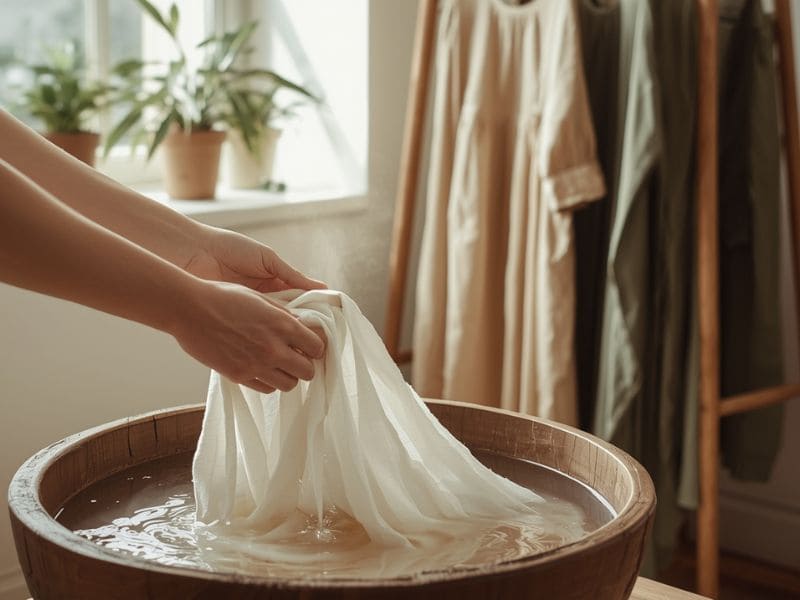
Cold Water Washing: Approximately 90% of the energy used by washing machines goes to heating water. Switching to cold water washing can significantly reduce the carbon footprint of your sustainable dresses while helping preserve colors and fabric integrity. Modern detergents are effective in cold water, making this simple switch both ecological and practical.
Gentle Detergents: Conventional detergents often contain harsh chemicals that can damage fabrics over time and introduce pollutants into waterways. Choose plant-based, biodegradable detergents specifically formulated for delicate fabrics to maintain the quality of your sustainable dresses while minimizing environmental impact.
Full Loads and Reduced Frequency: Washing only full loads maximizes efficiency, while reducing wash frequency between wears—especially for items like sustainable dresses that don’t directly contact skin—conserves water and energy. Between wears, airing out dresses and spot-cleaning minor stains can extend the time between washes.
Air Drying: The mechanical action and heat of dryers accelerate wear and tear on fabrics while consuming substantial energy. Line drying or flat drying your sustainable dresses preserves elasticity, prevents shrinkage, and reduces energy consumption. For certain fabrics like linen, air drying enhances their natural texture and drape.
Storage and Maintenance
Proper storage prevents damage and ensures your sustainable dresses remain beautiful for years:
Appropriate Hangers: Use padded or wooden hangers that support the shoulder shape of dresses without creating distortions. Knits and heavy, sustainable dresses should be folded rather than hung to prevent stretching.
Breathable Storage: Avoid plastic garment bags that can trap moisture and promote mildew. Instead, use breathable cotton garment bags or simply allow sustainable dresses adequate space in your closet for air circulation.
Protection from Elements: Store sustainable dresses away from direct sunlight, which can fade colors over time, and in areas with stable temperature and humidity to prevent mold and mildew.
Repair and Alteration
Embracing repair culture transforms our relationship with clothing and extends the life of sustainable dresses:
Basic Mending Skills: Learning simple repairs like stitching seams, replacing buttons, and darning small holes can rescue sustainable dresses that might otherwise be discarded. Many sustainable brands offer repair guides specific to their garments.
Professional Alterations: As our bodies change, professional alterations can adapt sustainable dresses to ensure continued wear. A skilled tailor can adjust fit, update styling details, or repurpose dresses into new garments entirely.
Brand Repair Programs: Many sustainable brands now offer repair services, recognizing their role in extending product lifecycles. For example, Marks & Spencer has introduced clothing repair and alteration services, making garment maintenance more accessible to consumers.
Seasonal Rotation
Implementing a seasonal rotation system for your sustainable dresses ensures proper care during periods of non-use:
Cleaning Before Storage: Always clean sustainable dresses before seasonal storage, as invisible stains can set over time or attract pests.
Proper Folding Techniques: Learn appropriate folding methods for different fabrics to prevent creasing and stress on fibers during storage.
Natural Pest Prevention: Instead of chemical mothballs, use natural alternatives like cedar blocks, lavender sachets, or dried rosemary to protect stored sustainable dresses from pests.
The Future of Sustainable Dresses

The landscape of sustainable dresses continues to evolve at an exciting pace, with technological innovations, regulatory developments, and shifting consumer expectations driving rapid transformation across the industry. Understanding these emerging trends provides insight into where sustainable fashion is headed and how our relationship with clothing may change in the coming years.
Technological Innovations
Cutting-edge technologies are revolutionizing how sustainable dresses are designed, produced, and experienced:
Digital Fashion and Virtual Fitting: Advances in augmented reality (AR) and artificial intelligence (AI) are addressing one of online fashion’s biggest challenges—returns. Virtual fitting technology allows customers to “try on” sustainable dresses digitally before purchasing, significantly reducing return rates that contribute to transportation emissions and waste. Brands implementing these technologies report a reduction in returns by up to 31% through improved size selection accuracy.
3D Design and Sampling: The traditional fashion design process typically produces multiple physical samples before finalizing a design, creating substantial waste. 3D design technology enables creators to develop virtual prototypes of sustainable dresses that can be tested, adjusted, and approved without physical materials. This approach reduces sampling waste by up to 80% while accelerating production timelines.
Blockchain for Transparency: As consumers demand greater supply chain visibility, blockchain technology offers an immutable record of a garment’s journey from raw material to finished product. This technology enables shoppers to verify the authenticity of sustainability claims for their sustainable dresses by tracing materials to their origins and confirming ethical production practices.
AI-Driven Production: Artificial intelligence optimizes material usage through advanced pattern placement algorithms, reducing fabric waste by up to 15% in the cutting process . AI also enhances demand forecasting, helping brands produce sustainable dresses in quantities that better match consumer interest, thereby reducing overstock that often ends up in landfills.
Regulatory Landscape
Government interventions are increasingly shaping the future of sustainable dresses:
EU Strategy for Sustainable and Circular Textiles: This comprehensive regulatory framework mandates that by 2030, all textile products in the EU market must be durable, repairable, and recyclable. Such regulations will standardize sustainability expectations for sustainable dresses sold in European markets and likely influence global production standards.
Extended Producer Responsibility (EPR): Policies requiring brands to manage the end-of-life phase of their products are gaining traction worldwide. These regulations encourage design for circularity, making sustainable dresses that are easier to disassemble, repair, recycle, or compost.
Carbon Disclosure Requirements: The U.S. Securities and Exchange Commission’s new climate disclosure rules require public companies to report Scope 1 and 2 emissions, increasing transparency about the environmental impact of fashion production, including sustainable dresses.
Emerging Materials and Processes
The next generation of sustainable dresses will incorporate increasingly innovative materials and production methods:
Biofabricated Materials: Laboratory-grown textiles using microbial processes, algae, or fermented plant sugars offer promising alternatives to conventional fabrics. These biofabricated materials for sustainable dresses require minimal land and water resources while offering unique properties like enhanced biodegradability.
Waterless Dyeing Technologies: Traditional dyeing processes consume vast quantities of water and generate contaminated wastewater. Emerging technologies like supercritical CO2 dyeing that use pressurized carbon dioxide instead of water represent the future of coloring sustainable dresses without aquatic pollution.
Smart Textiles: The integration of technology into fabrics enables sustainable dresses with enhanced functionality, such as temperature regulation, moisture management, or even integrated health monitoring. These innovations add value while maintaining environmental responsibility through energy-efficient production and durable designs.
The Evolution of Consumer Engagement
How consumers discover, purchase, and relate to sustainable dresses continues to evolve:
Hyper-Personalization: AI-driven platforms will increasingly offer customized, sustainable dresses tailored to individual measurements, style preferences, and values, reducing returns and ensuring perfect fits.
Circular Business Models: Brands will expand beyond traditional sales to offer rental, subscription, repair, and resale services for sustainable dresses, creating ongoing revenue streams while maximizing garment utilization.
Educational Integration: As greenwashing concerns persist, brands will invest more in transparently educating consumers about the sustainability features of their sustainable dresses, potentially through digital product passports that provide detailed lifecycle information.
FAQ
Q1: What makes a dress truly sustainable?
Truly sustainable dresses consider environmental and social impacts throughout their entire lifecycle—from material sourcing and production to distribution, use, and end-of-life. Key factors include: sustainable materials (organic, recycled, or innovative alternatives), ethical manufacturing with fair wages and safe conditions, transparent supply chains, reduced resource consumption (water, energy), and design for durability and circularity (repairability, recyclability). Look for certifications like GOTS, OEKO-TEX, and Fair Trade to verify claims.
Q2: Are sustainable dresses more expensive?
Initially, sustainable dresses often carry higher price tags than fast-fashion alternatives, reflecting the true cost of ethical production, quality materials, and fair wages. However, their superior durability and timeless designs typically make them more economical over time through cost-per-wear calculations. A $200 sustainable dress worn 50 times costs $4 per wear, while a $40 fast-fashion dress worn twice costs $20 per wear. Additionally, secondhand markets make sustainable dresses more accessible at reduced prices.
Q3: How can I identify greenwashing when shopping for sustainable dresses?
Greenwashing—misleading sustainability claims—can be spotted through several red flags: vague language without specific evidence (“eco-friendly” without explanation), lack of transparency about supply chains, irrelevant claims that don’t address significant environmental impacts, and emphasizing one sustainable aspect while ignoring other problematic practices. Genuinely sustainable brands provide detailed information about materials, factories, certifications, and overall environmental strategies.
Q4: What are the most sustainable dress fabrics?
The most sustainable fabrics for dresses include: organic cotton (reduces water and pesticide use), linen (requires minimal water and pesticides), hemp (fast-growing and soil-enriching), Tencel™/Lyocell (closed-loop production from sustainable wood pulp), and recycled materials (divert waste from landfills). Each fabric has different properties and ideal uses, so the “best” choice depends on the dress type and your priorities.
Q5: How can I make my existing dresses more sustainable?
You can extend the life of your current dresses through proper care: wash less frequently in cold water, air dry instead of machine drying, repair damage promptly, and alter styles that no longer fit. When you stop wearing dresses, consider sustainable disposal options: sell or donate wearable items, repurpose fabrics into new items, or use textile recycling programs for damaged garments.
Q6: Is renting dresses more sustainable than buying?
Renting sustainable dresses for special occasions typically has a lower environmental impact than buying new, since the carbon footprint and resource use are distributed across multiple wears. However, transportation emissions from shipping and cleaning processes affect the overall sustainability. For frequently worn styles, owning quality sustainable dresses and wearing them repeatedly is generally preferable, while rental makes sense for rarely worn items like formal gowns.
Q7: What is the future of sustainable dresses?
The future of sustainable dresses includes exciting developments: increased use of innovative materials like mushroom leather and algae-based fabrics, digital clothing for virtual wear, AI-optimized production to reduce waste, circular business models (rental, resale, repair), greater transparency through blockchain technology, and regulatory standards ensuring minimum sustainability requirements. The market is projected to grow at a 15.48% CAGR through 2030, indicating strong ongoing expansion.