
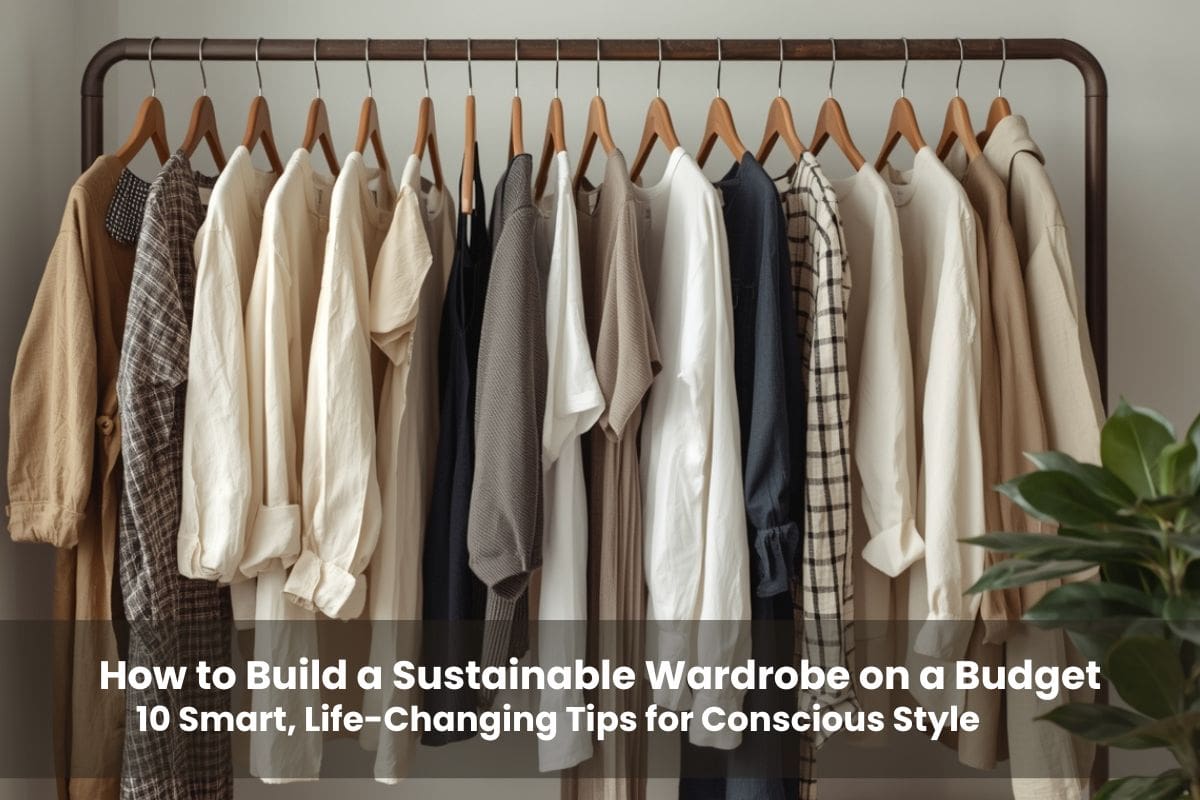
How to Build a Sustainable Wardrobe on a Budget
How to build a sustainable wardrobe on a budget might sound like a challenge, but it’s easier than you think. You don’t need to spend a fortune on high-end eco-labels to live more sustainably. By combining creativity, awareness, and a few clever habits, you can create a stylish, conscious closet that costs less and lasts longer. This guide gives you an actionable, step-by-step plan to transform your wardrobe, save money, and reduce your environmental footprint without compromising your style.
1. Why Sustainable Fashion Matters
Understanding why sustainability in fashion matters is the first step toward learning how to build a sustainable wardrobe on a budget. The fashion industry is a major polluter—responsible for up to 8% of carbon emissions, overuse of water, and unsafe labor practices.
According to the United Nations Environment Programme (UNEP) and the Ellen MacArthur Foundation, fashion’s carbon footprint surpasses international flights and maritime shipping combined. Meanwhile, the Environmental Protection Agency (EPA) notes that 85% of textile waste ends up in landfills annually.
Each purchase decision you make can help reverse these trends. By choosing slow fashion and caring for what you already have, you contribute to a cleaner and fairer fashion system.
2. How to Build a Sustainable Wardrobe on a Budget with What You Own
The most sustainable wardrobe is the one you already have. This simple truth is key to how to build a sustainable wardrobe on a budget. Before you shop, look closely at your existing clothes. Rediscover old favorites, reimagine forgotten pieces, and restyle what you own in new combinations.
Doing this helps you spend less and fall in love with your wardrobe again. Try a one-month “no-buy” challenge to push creativity and reduce fast-fashion temptations.
SustainTheStyle Closet Reorganization Guide
3. Closet Audit: The Foundation of Your Sustainable Wardrobe
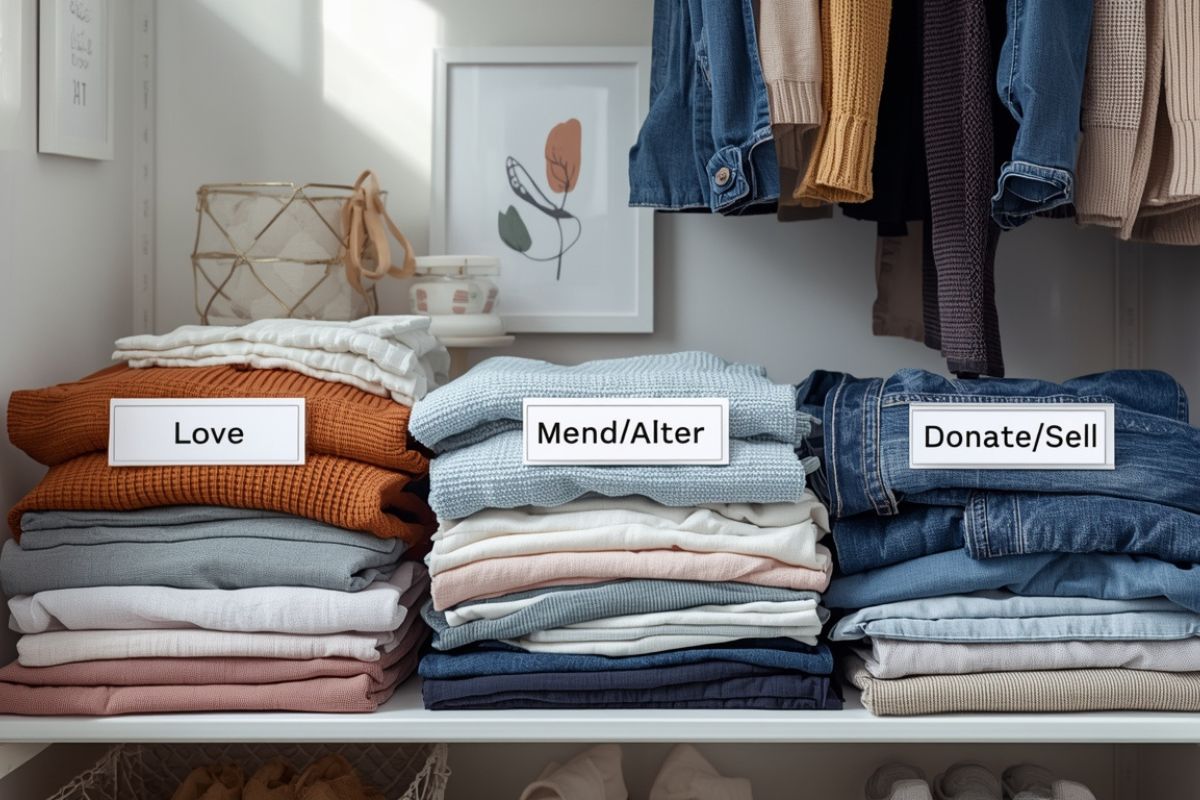
Your journey toward how to build a sustainable wardrobe on a budget begins with a simple closet audit:
Empty your wardrobe completely.
- Sort into “Love,” “Repair,” and “Donate/Sell” piles.
- Be honest with yourself about what fits your lifestyle and values.
- A clean, edited wardrobe gives clarity and direction for your sustainable fashion journey.
4. Creative Styling and the 30-Day No-Buy Challenge
Try mixing your clothes in unexpected ways. Layer dresses with shirts, knot long tops over skirts, or change accessories for fresh combinations. Participate in a “30-day no-buy challenge” to strengthen discipline and creativity.
Watch your confidence grow as you experiment with the 20% of wardrobe pieces that make you feel great.
5. Apply the 80/20 Closet Rule
Statistics show that most people wear only 20% of their clothing 80% of the time. Focus on the pieces that fit, flatter, and function. Let go of the rest through donation or resale.
This is a cornerstone principle of how to build a sustainable wardrobe on a budget—it saves space, money, and mental energy.
6. How to Build a Sustainable Wardrobe on a Budget through Thrifting
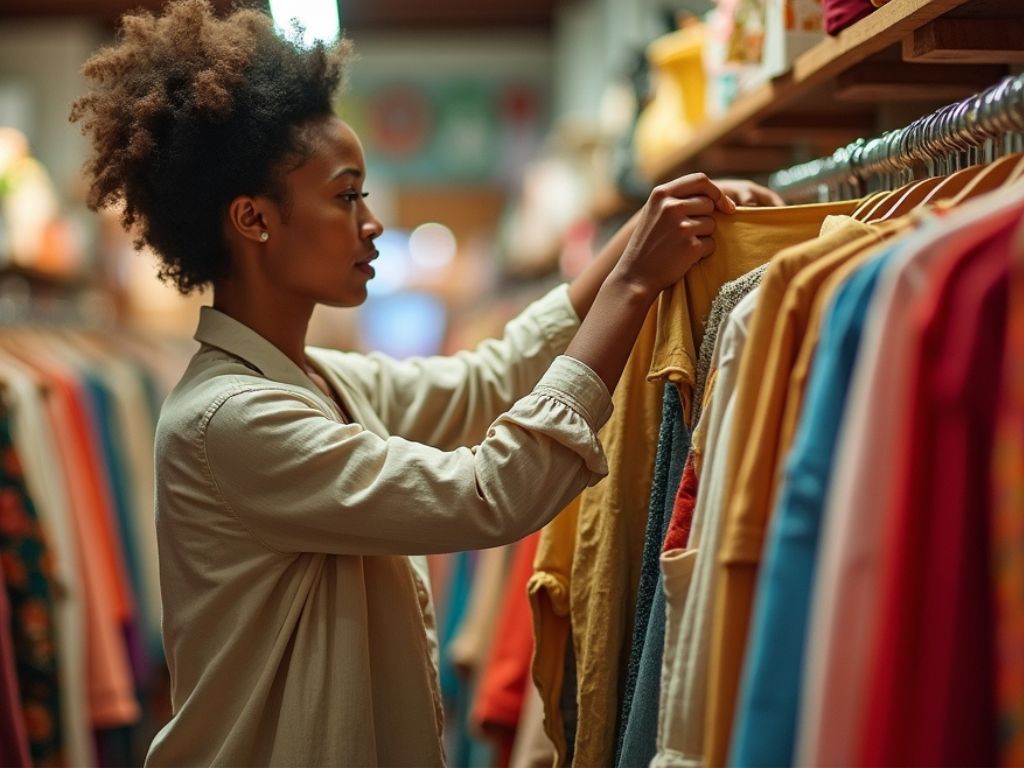
Thrifting is a fun, affordable path toward conscious fashion. Buying secondhand reduces textile waste and often leads to high-quality finds at low prices.
Top Secondhand Platforms:
- thredUP—a vast online thrift store.
- Poshmark—perfect for brand lovers and resellers.
- Depop—ideal for trendy streetwear and vintage pieces.
7. Smart Thrifting Tips for Stylish Finds
- Have a goal list before shopping.
- Inspect zippers, seams, and buttons before buying.
- Prioritize natural fabrics like cotton, linen, and wool.
- Learn minor alterations for perfect fits.
- Stay patient—true gems take time.
Good On You Ethical Brands Directory
8. Clothing Swaps, Rentals, and Borrowing
Organize or join local clothing swaps for zero-cost wardrobe updates. Every traded item keeps fabric out of landfills.
For rare occasions, rent designer styles instead of buying. Services like Rent the Runway let you wear luxury responsibly.
9. Conscious Shopping Habits
When you need something new, apply mindful buying rules:
- Research brand ethics.
- Choose timeless over trendy.
- Spend on quality items that last.
A $60 organic cotton tee may last five years, while three $20 fast-fashion shirts won’t survive one season.
10. Sustainable Fabrics and Ethical Brands
| Sustainable Materials | Eco Benefit | Look For |
| Organic Cotton | Less water, no pesticides | GOTS certification |
| Linen | Biodegradable and breathable | Pure linen |
| Hemp | Durable, fast-growing | 100% hemp |
| TENCEL™ (Lyocell) | Closed-loop production | TENCEL™ label |
| Recycled Polyester | Reduces landfill waste | rPET symbol |
Avoid acrylics and polyester blends that shed microplastics and rely on fossil fuels.
Guide to Sustainable Fabrics for Everyday Wear
11. Capsule Wardrobe Planning
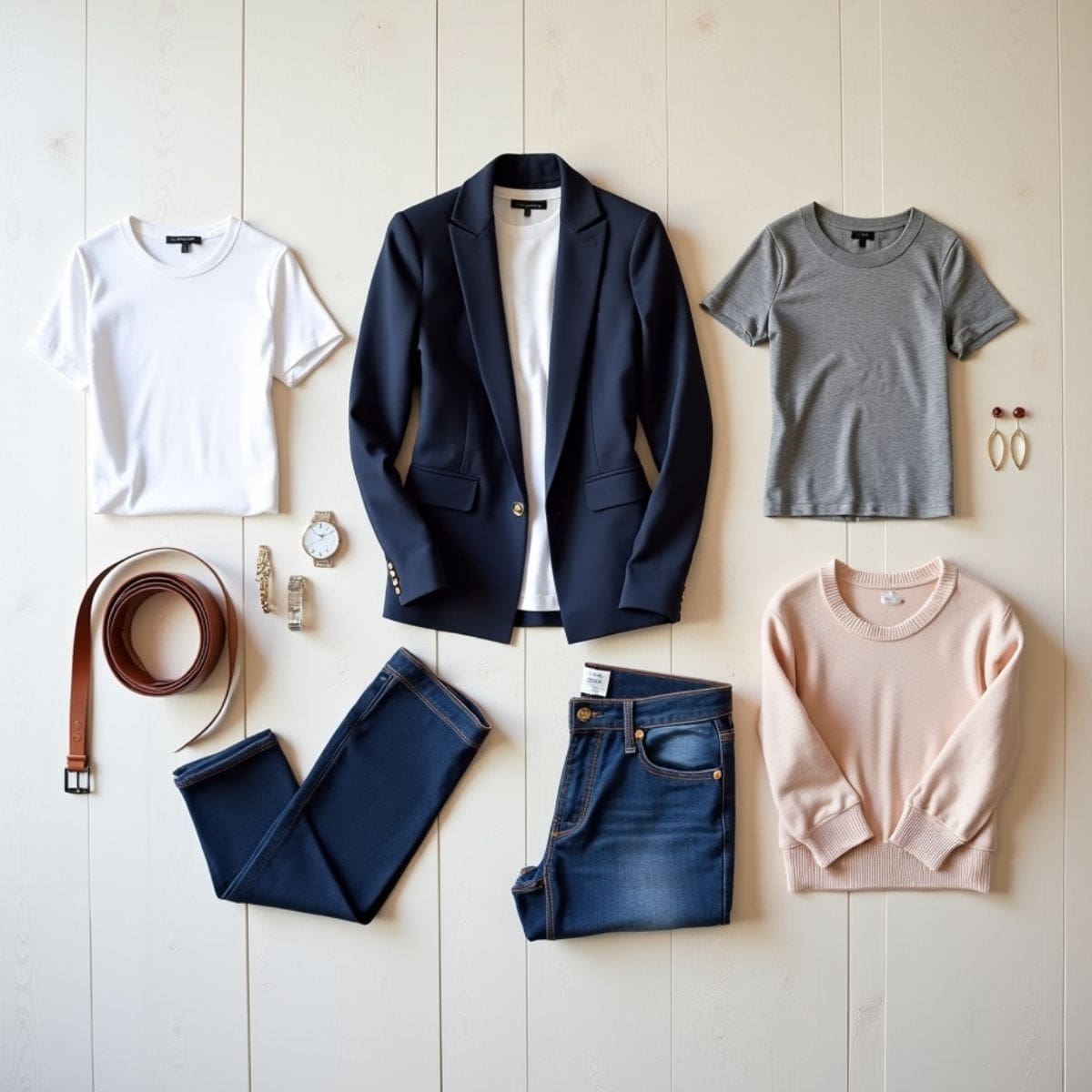
A capsule wardrobe curates essential, interchangeable pieces that match your lifestyle.
Start by identifying the five most common scenarios in your week—work, casual outings, home, events, and errands. Then, choose multifunctional outfits for each.
Capsule Wardrobe Checklist for Every Season
12. Clothing Care, Laundry, and Repair
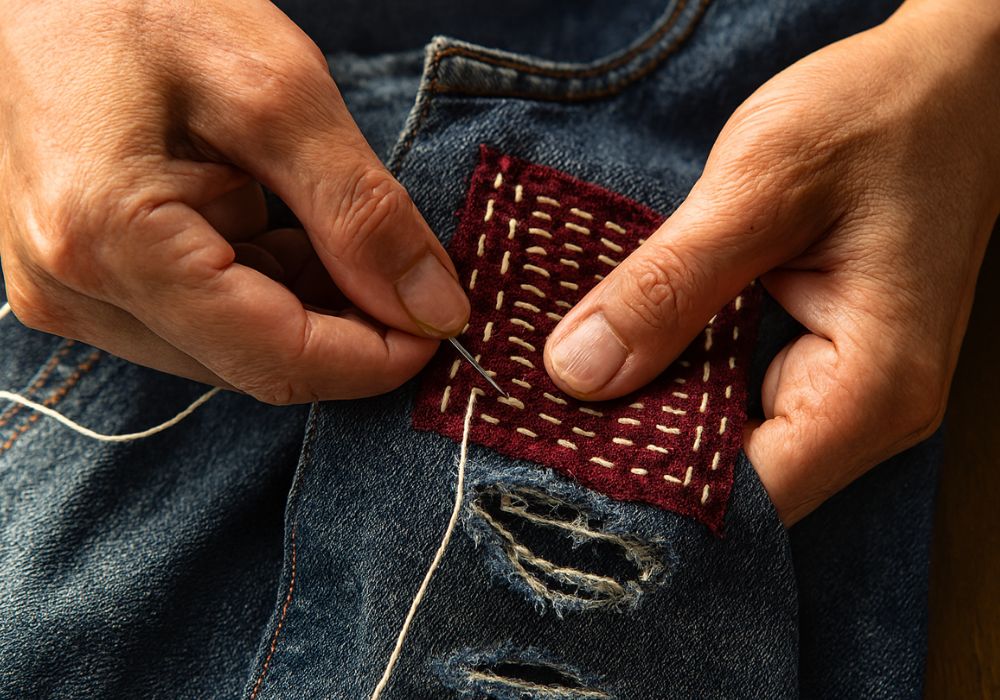
Prolonging the life of garments makes sustainability affordable.
- Wash less and air out clothes after wear.
- Use cold-water settings to preserve fabric.
- Air dry garments for longevity.
- Use a Guppyfriend Bag to capture microfibers.
Simple mending techniques keep your wardrobe in rotation longer. Visible repairs like Japanese sashiko stitching turn flaws into features.
13. Responsible Disposal of Clothing
When you must part with clothing, do it consciously. Donate wearable items to local shelters or textile donation drives. For unusable fabric, many retailers now have in-store take-back programs.
Recycling stations in cities often accept worn textiles for transformation into insulation or cleaning cloths. Research your nearest options on Earth911.com or The Council for Textile Recycling.
14. The Emotional Side of Sustainable Fashion
Learning how to build a sustainable wardrobe on a budget changes more than your closet—it transforms your mindset. You begin valuing craftsmanship, creativity, and connection over constant consumption.
This journey fosters gratitude and mindfulness. Wearing a mended shirt becomes a story of resilience. Each secondhand purchase becomes a conversation about ethics and individuality.
Sustainable fashion isn’t about having less; it’s about having enough—and respecting it.
15. The Path Forward: Progress, Not Perfection
Sustainability is a lifelong evolution. You don’t need an entirely eco-certified wardrobe overnight. Start where you are—repair one piece, swap one item, research one brand.
Small efforts compounded over time reshape not only your own habits but the culture of consumption around you. Eventually, your wardrobe will reflect both your values and your true sense of style.
By learning how to build a sustainable wardrobe on a budget, you’re doing more than saving money—you’re participating in global change, one outfit at a time.
FAQ
1. What does it mean to build a sustainable wardrobe?
To build a sustainable wardrobe means choosing clothes that are ethically made, eco-friendly, and long-lasting. It also means being intentional with your purchases, caring for what you own, and minimizing waste instead of following disposable fashion trends.
2. How can I start building a sustainable wardrobe on a budget?
Start by wearing what you already own and giving your clothes new life through styling or repair. Then, buy secondhand, host clothing swaps, and research ethical brands during sales. Building a sustainable wardrobe on a budget is about creativity, not cash.
3. Is thrifting really sustainable?
Yes, thrifting is one of the most effective ways to reduce environmental impact. By buying pre-loved clothing, you extend the garment’s life and reduce waste going to landfills. Plus, it’s an affordable and fun way to explore personal style.
4. What are the best sustainable fabrics to look for?
Look for materials such as organic cotton, hemp, linen, and TENCEL™. These fibers are biodegradable, durable, and produced with less water. Recycled polyester and wool are also great for building a wardrobe that balances performance and sustainability.
5. How many pieces should be in a sustainable capsule wardrobe?
A good capsule collection ranges between 25 to 40 pieces depending on your lifestyle. Choose timeless, versatile items that you can mix and match easily for work, leisure, and events. The goal is simplification, not restriction.
6. Can sustainable fashion be affordable for everyone?
Absolutely. Sustainable fashion becomes affordable when you focus on longevity rather than trends, shop secondhand, and care for your clothes. The key principle of how to build a sustainable wardrobe on a budget is to buy less, but better.
7. Are there apps or websites that help with sustainable shopping?
Platforms like Good On You, thredUP, and Poshmark help users find ethical brands and pre-loved clothes. Follow Good On You’s sustainability ratings to ensure you’re supporting companies with transparent practices.
8. How can I care for my clothes to make them last longer?
Wash clothes in cold water, air dry when possible, and avoid over-washing. Learn simple mending skills to fix small tears or buttons. These habits not only extend garment life but also reduce your environmental footprint.
9. What should I do with clothes I no longer wear?
Donate gently used clothes, sell them through consignment platforms, or upcycle them into new items like tote bags or cleaning cloths. Avoid throwing them out—textile recycling programs like Earth911 accept unwearable fabric scraps.
10. What’s the biggest mistake people make when trying to be sustainable?
Many people rush to buy new “eco” products instead of focusing on what they already own. True sustainability begins in your current wardrobe, not at the checkout counter. Shop mindfully, repair, and reuse first.